













Let’s be real. If you’re currently building a new apparel collection or planning to launch a streetwear brand, you’ve probably got headwear on your radar. After all, as a one-size-fits-all item with solid margins, hats are a natural cash-flow generator.
But as someone who’s been deep in the trenches of custom headwear manufacturing for years, I’ve got to hit you with a reality check: The custom hat industry today is a cutthroat minefield, filled with invisible traps. Today, we’re cutting out the marketing BS. We’re stripping it down to the raw reality of the 2026 headwear market, the killer pain points dragging brands down, and exactly how the smart players are rewriting the rules.
The Evolution: From Survival Gear to Cultural IdentityA lot of newcomers miss a crucial fact: the role of the hat has shifted drastically over time. Back in the day, whether it was the English stocking cap, the fisherman’s hat, or the mesh trucker hats worn by blue-collar workers to keep the sun out of their eyes, it was all about pure utility. It was survival gear for the working class. But fast forward through the rise of skate culture, hip-hop, and streetwear, and headwear completely evolved. It went from “sun protection” to a literal statement piece. People don’t just wear hats to cover up a bad hair day anymore; they wear them to tell the world, “This is who I am.”
The Massive Shift in the Headwear Scene
If your product development strategy is still stuck in 2021—thinking you can just find a random OEM factory, pick a stock blank, slap a woven label on it, and watch it sell out—you’re in for a rough wake-up call. The fundamental logic of the headwear market has flipped.
How Consumer Demand Has Mutated
The clearest sign of this shift is in why people are hitting that checkout button. The buying motive has completely done a 180.
It Used to Be About Pure Function (Warmth & Safety)
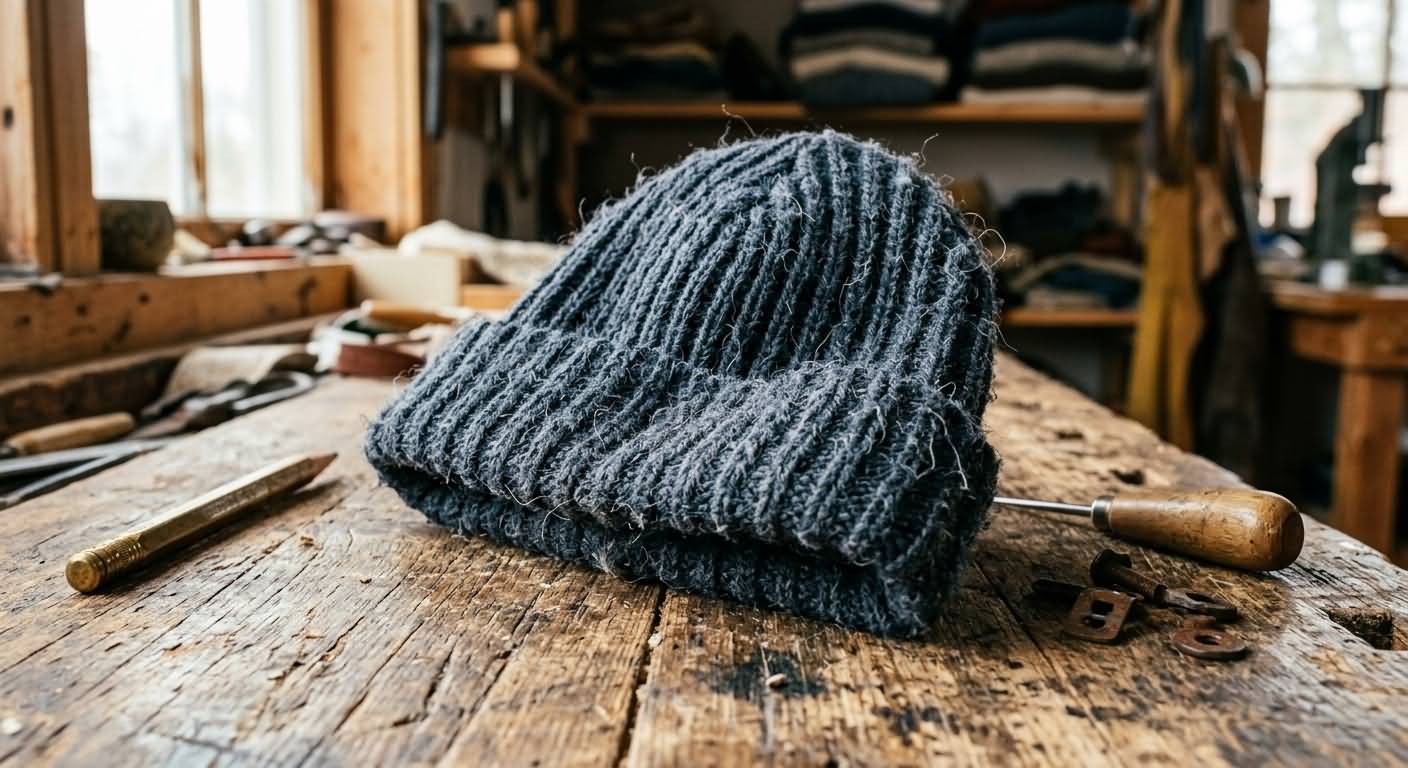
Historically, the buying scenario was super basic. Freezing outside? Grab a heavy-duty wool knit beanie. Working out in the sun? Throw on a breathable, durable trucker cap. The consumer just wanted something tough and functional.
Today, It’s All About the Vibe and Individuality
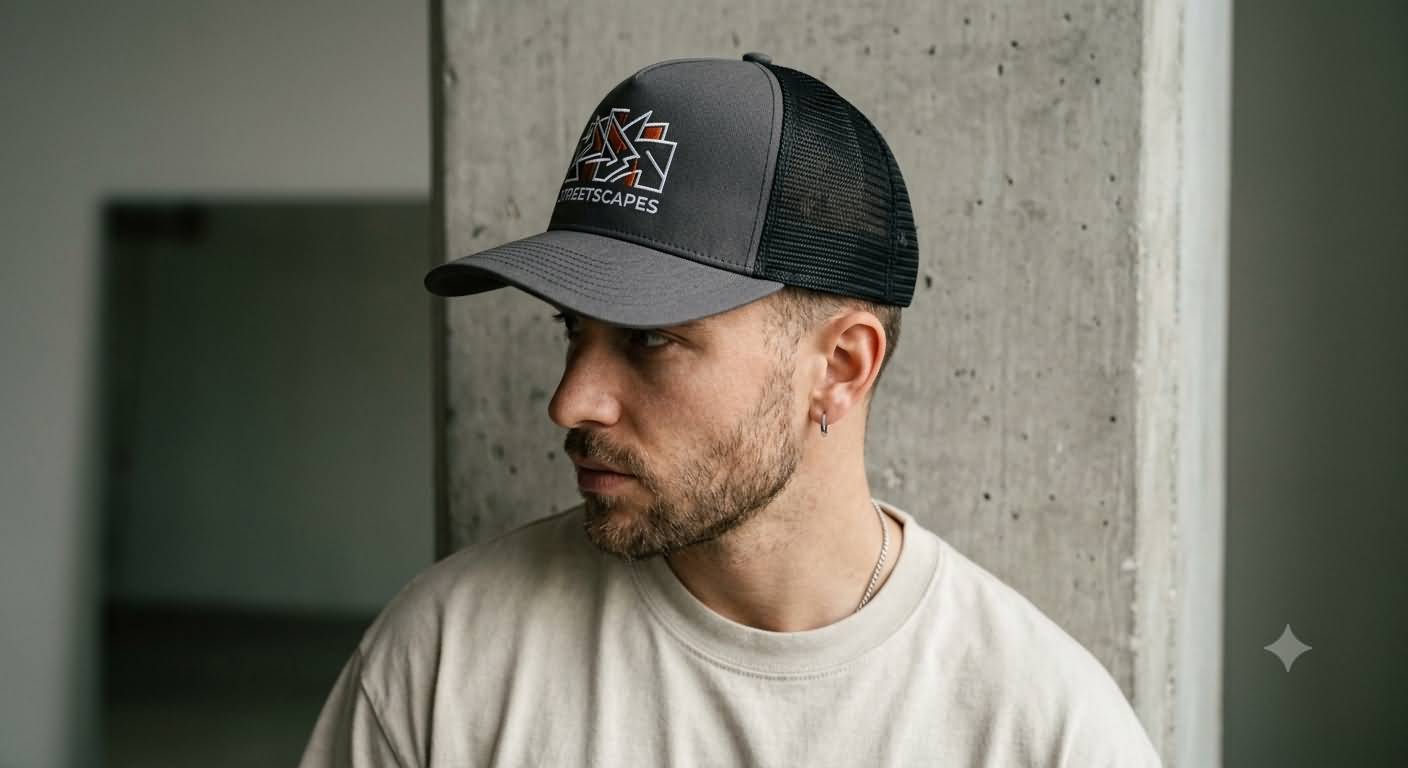
Fast forward to 2026, and how are Gen Z and Gen Alpha buying hats? Warmth? UV protection? Those are just side bonuses. The core demand now is Vibe and Statement. A perfectly structured 5-panel camp hat or a 6-panel wool felt cap with specific artistic flat embroidery is meant to tie together a $500 streetwear or Gorpcore fit. Even a garment-washed dad hat isn’t just a hat; it’s a calculated piece of a “carelessly cool” aesthetic. The hat has become a modern armor of personal style.
The Homogenization Nightmare
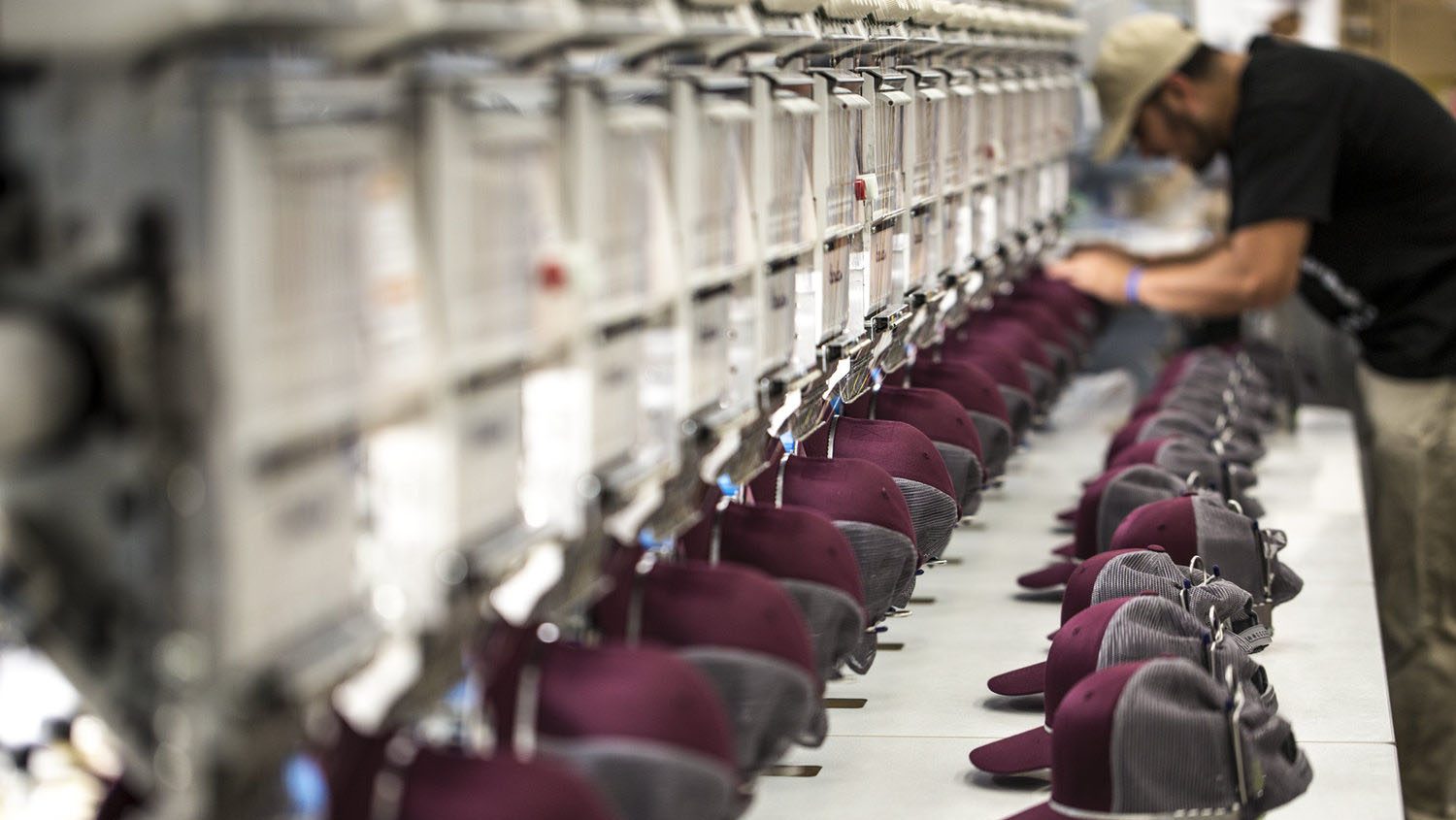
While consumer demand is leveling up, the supply chain is practically moving backward. Spend five minutes browsing B2B wholesale sites or touring a manufacturing hub, and you’ll realize the market is drowning in a massive sea of sameness.
Everything Looks Exactly the Same
Look at the emerging brands out there. Eight out of ten are selling the exact same trucker hat silhouette. Even the plastic snapbacks on the back have the exact same notch counts. Everyone is relying on the same flooded market of stock blanks.
Zero Innovation and Zero Differentiation
A lot of factories and brands claim they do “custom,” but their version of custom is a joke. It usually just means slapping a basic logo onto a generic pre-made hat.
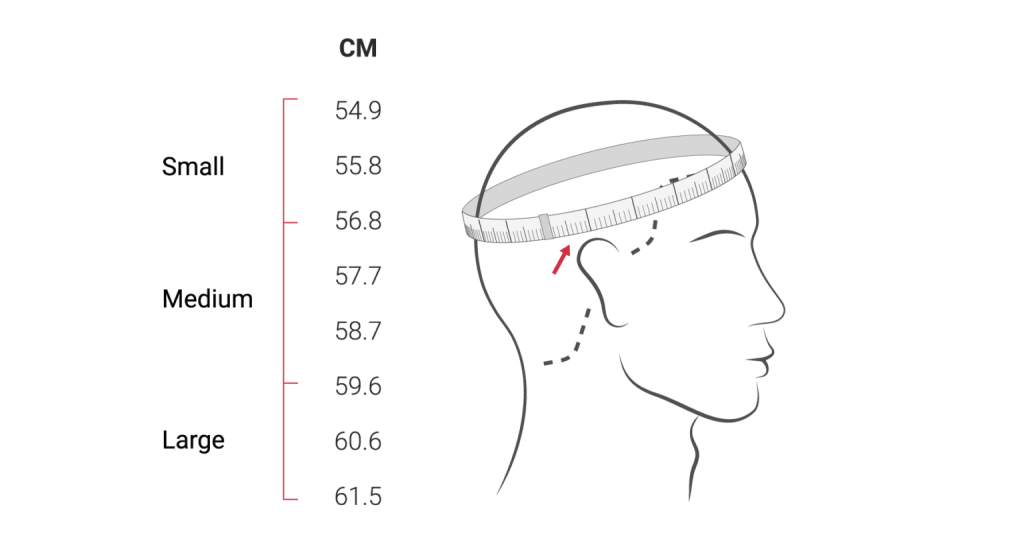
- Stagnant Silhouettes: Whether it’s a curved brim or a flat brim, they just copy standard proportions without considering different regional head shapes (like the crown depth differences between Asian and Western fits).
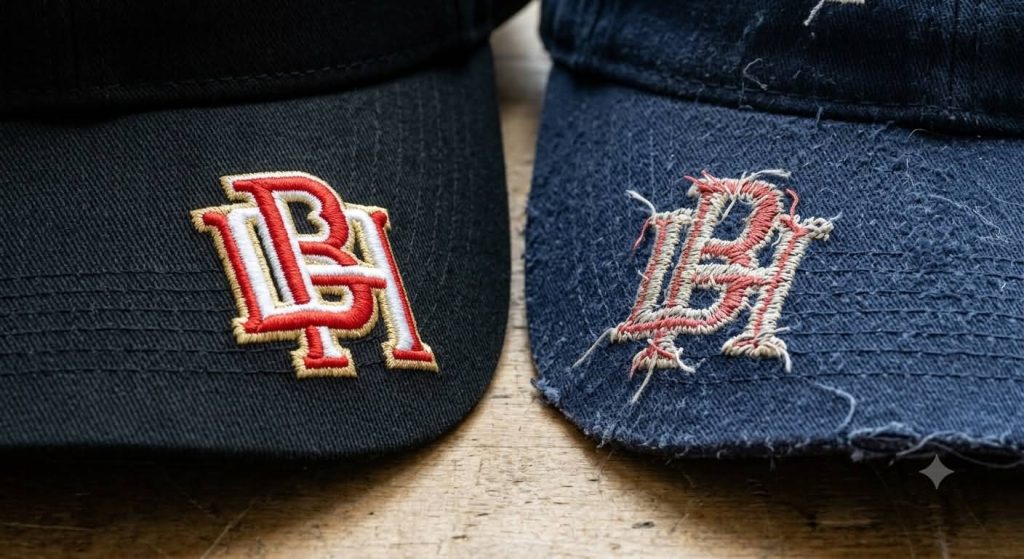
- Outdated Tech: 100% of factories can do basic flat embroidery. But the second you ask for High-Density 3D Puff Embroidery, Stone Enzyme Washing, or custom seam taping, their QC (Quality Control) falls apart. The final product ends up looking flat, cheap, and entirely forgettable.
The Deadly Race to the Bottom
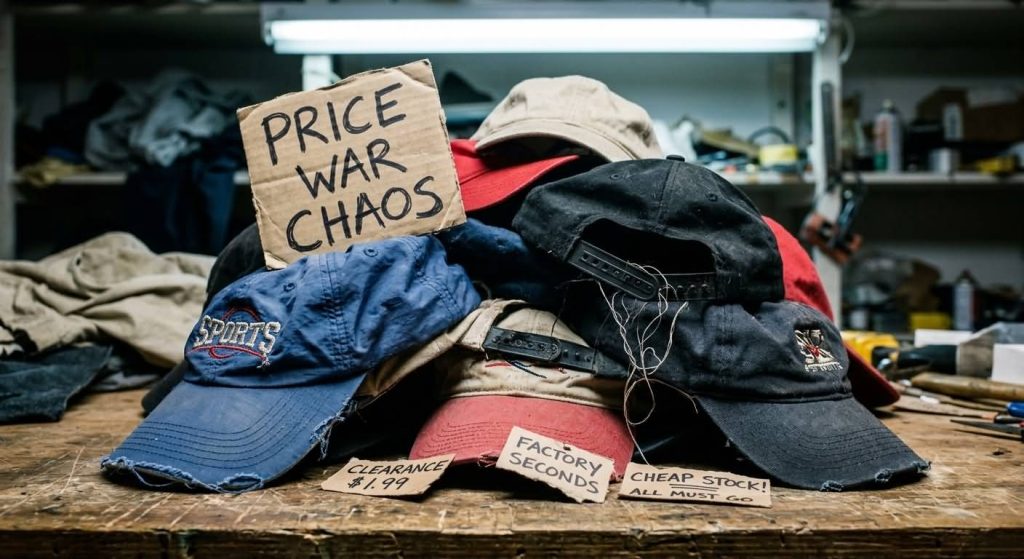
When you can’t compete on uniqueness, there’s only one playbook left: the price war.
If you quote $5, the guy next door quotes $4.50. If you lower the MOQ, he waives the sample fee completely. Brands and factories relying purely on this cutthroat pricing model are bleeding out. Because the only way to drop the price that low is to gut the product—cutting fabric weights, swapping pure wool for cheap acrylic synthetics, and rushing the sewing lines so the stitches look like a disaster.
The Collapse of Brand Influence
When cheap white-label products and low-end factories dominate the ecosystem, the entire upstream market loses its leverage and international voice.
The Vicious Cycle: No Influence, No Sales, No Margins“If you don’t have a premium angle, you’re dead water.” In 2026 retail, this is a universal truth. When you lack real brand influence and technical backing, consumers treat your hats like disposable fast-fashion accessories. There’s zero brand loyalty. They’ll buy from you today to save two bucks, and abandon you tomorrow for free shipping.
Taking a Massive Hit on Sales & Profits
This lack of influence is eating brand owners and factories alive. Because the product lacks any unique physical traits, brands are forced to run perpetual “30% OFF” sales just to clear dead stock. Combine that with sky-high CPCs (Cost Per Click) on social media ads, and a lot of startup apparel brands are actually losing money on headwear—they’re basically just working for the ad algorithms. The ones actually making bank are the premium players who build a moat out of hardcore, objective craftsmanship.
The Cutthroat Market Reality (By the Numbers)
Just how crowded is it? Let’s drop the adjectives and look at the raw data.
The Explosion of Headwear Companies
Based on supply chain registration data over the past few years, the influx of businesses entering this lane (from agile custom workshops to massive B2B manufacturers and cross-border traders) has been staggering.
Year
Est. New Registrations (Global Headwear Sector)
Avg. Industry Net Profit Margin
2021
~ 4200
18.5%
2023
~ 6800
12.2%
2025
~ 11500
7.8%
2026 (Current)
~ 14,200
5.4% (Red Ocean Zone)
The matrix speaks for itself. The number of players has tripled, but the industry’s average net profit margin has plummeted from a highly lucrative tier down to a razor-thin 5.4%.
Toxic Price Slashing is Killing the Ecosystem
This massive spike in competitors has triggered a stampede. To keep their assembly lines moving and workers paid, mid-to-low-tier factories are taking orders at a loss. This “kamikaze” style of competing is destroying the health of the custom manufacturing ecosystem.
- R&D Drops to Zero: When you’re making pennies on a hat, there’s zero budget to invest in sustainable fabrics or upgrade to high-end digital prototyping machinery.
- The Talent Drain: Master pattern makers and veteran embroidery technicians are walking away because their wages are being squeezed. The result? The market gets flooded with trash, while high-end designers with complex Tech Packs struggle to find anyone competent enough to actually build their vision.
The Bottom Line: What’s the Game Plan?
Now that we’ve exposed the ugly side of the industry, how do brand owners and high-end buyers actually survive—and thrive—in this bloodbath?
The answer is surprisingly simple: If everyone else is racing to the bottom on price, you need to race to the top on value. Here are the three non-negotiable moves you need to make right now:
- 1. Ditch the Massive MOQs and Pivot to an Agile Supply Chain
Stop trying to drive down unit costs by ordering 1,000 units of the exact same boring blank cap. The smart money right now is keeping your MOQ tight—around 100 units. Take the cash you saved on inventory and pump it into unique physical materials: dense wool felt, tear-resistant ripstop, or certified sustainable fabrics. Use fast sampling to test the waters and pivot quickly based on street trends. - 2. Upgrade Your Core Tech to Shatter Homogenization
When your competitors are still using basic heat transfers, you need to be pushing for high-density 3D puff embroidery, pinpoint flat stitching, precise garment-washed destruction effects, and fully customized interior hardware. Flowery marketing adjectives don’t sell hats anymore. What converts is the physical reality of the product: the stiffness of the buckram when they touch the brim, and the precise, structured fit when they put it on their head. - 3. Build Legit Tech Packs and Demand Real Customization
Stop messaging factories saying, “I want a black baseball cap.” Mature brands operate on strict Tech Packs. You need to define the exact material composition, stitch density per square inch, crown depth measurements, and front-panel rigidity. By partnering with a specialized custom hat manufacturer who speaks this technical language, you protect your brand from amateur mistakes.
In this industry, there is never a shortage of cheap hats. What’s missing are engineered pieces of wearable art. Now that you see the board clearly, the choice is yours: stay in the meat grinder fighting over pennies, or step up, lock down your quality, and redefine the standard for premium headwear.
Ready to Stop Competing on Price and Start Competing on Quality?
The era of generic, cheap blanks is over. If your brand is ready to step up to high-density embroidery, premium fabrics, and structural perfection with a manageable 100-piece MOQ, we need to talk.
Still Struggling with Factory Pushbacks on Your Designs?
Let’s fix that. Connect directly with our manufacturing experts. Whether you need stone enzyme washing, custom hardware, or a specific crown depth, we build what others can’t.