









As a brand owner or apparel designer, selecting the right headwear blank is the foundational engineering step that dictates the success of your merchandise. A cap is not merely a piece of fabric; it is a three-dimensional architectural structure that must perfectly balance the ergonomics of the human head with the physical limitations of commercial decoration machinery.
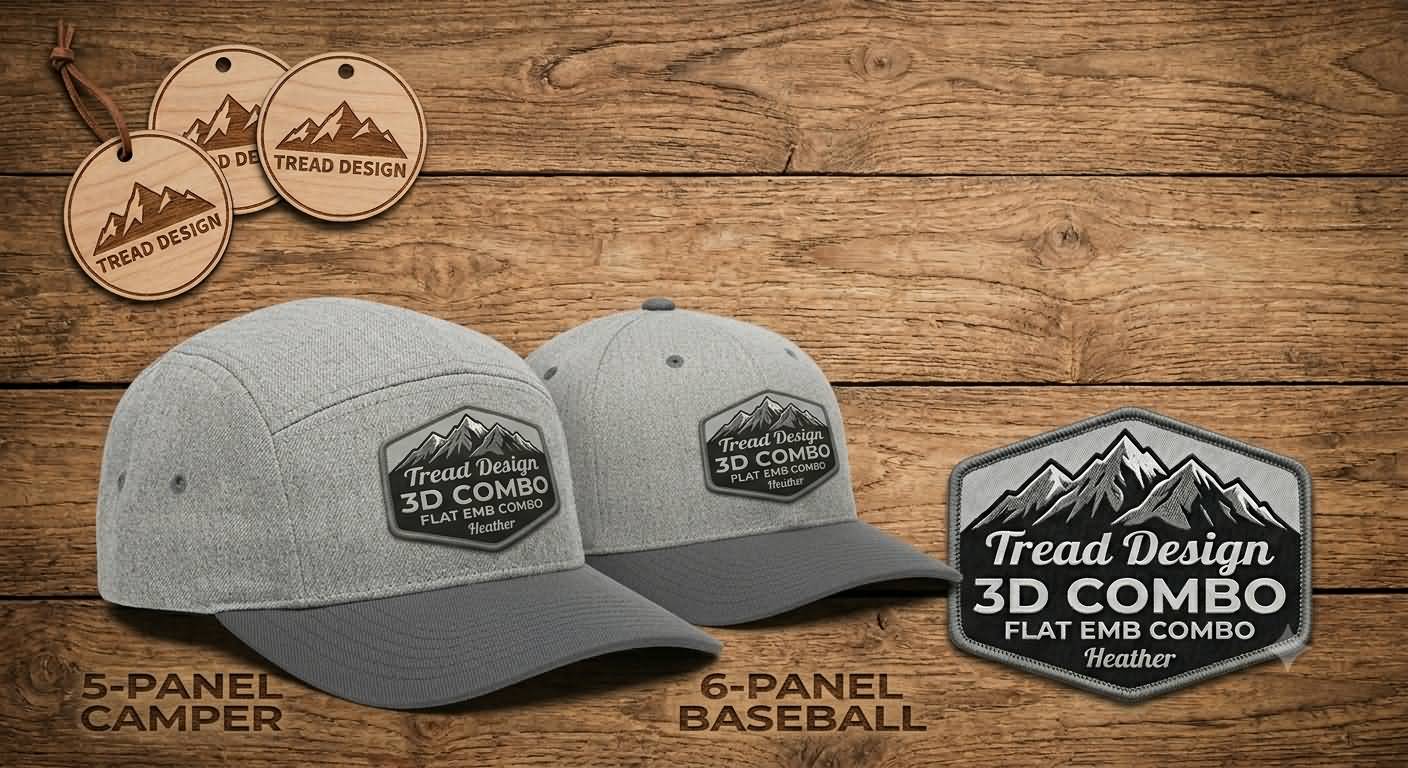
During the selection phase, the debate almost always narrows down to two dominant architectures: the 5-panel hat and the 6-panel hat. At first glance, the difference seems to be a simple matter of a single fabric piece. However, from a technical and manufacturing perspective, this structural difference completely alters the cap’s geometry, its mechanical behavior under embroidery needles or heat presses, and ultimately, its brand positioning.
This technical analysis will decode the structural engineering, material science, and manufacturing compatibility of both silhouettes, providing a definitive roadmap for your next production run.
Construction and Layout
To understand how a cap behaves during production and wear, we must first analyze its layout. In headwear engineering, a “panel” is an individual piece of fabric cut to a specific geometric shape, which is then stitched together to map the curved, spherical shape of the human head.
The number of panels dictates the cap’s contour, the tension of the fabric, and the structural integrity of the crown. Every seam introduced into the layout acts as a tension point. More seams generally allow for a closer, more natural contoured fit to the skull, but they also introduce physical ridges that disrupt the continuous surface area needed for seamless customization.
By manipulating the panel layout, manufacturers alter the angle of the front crown, the depth of the fit, and the canvas space available to designers.
5 Panel Cap Characteristics
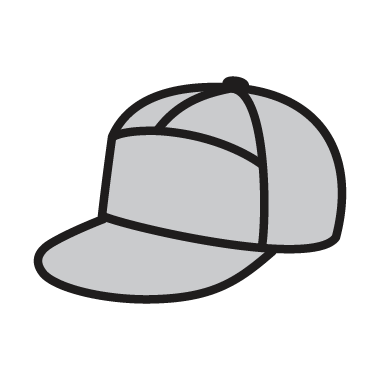
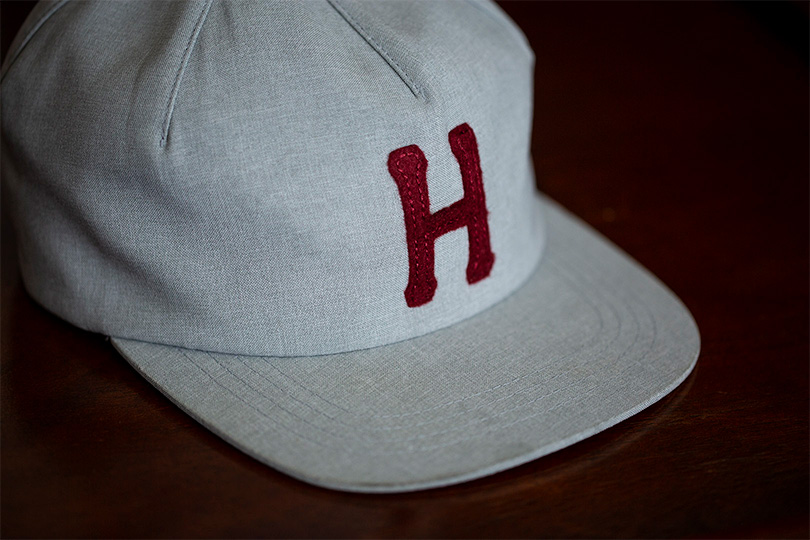
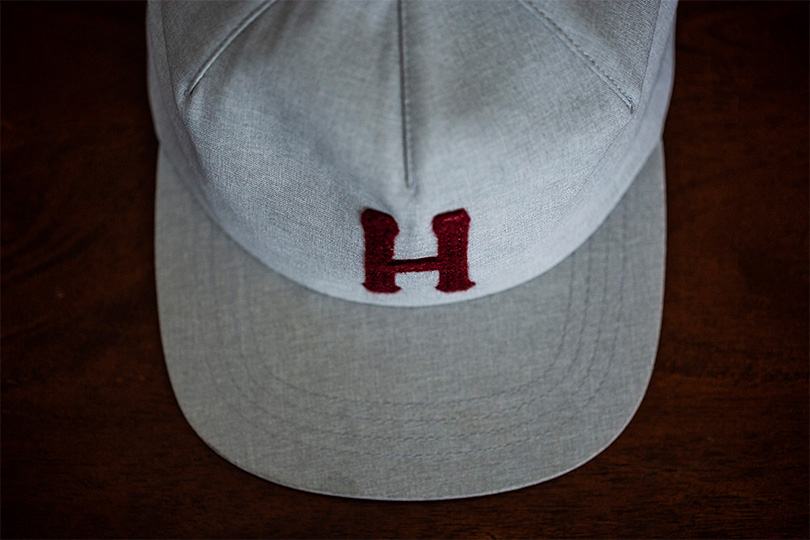
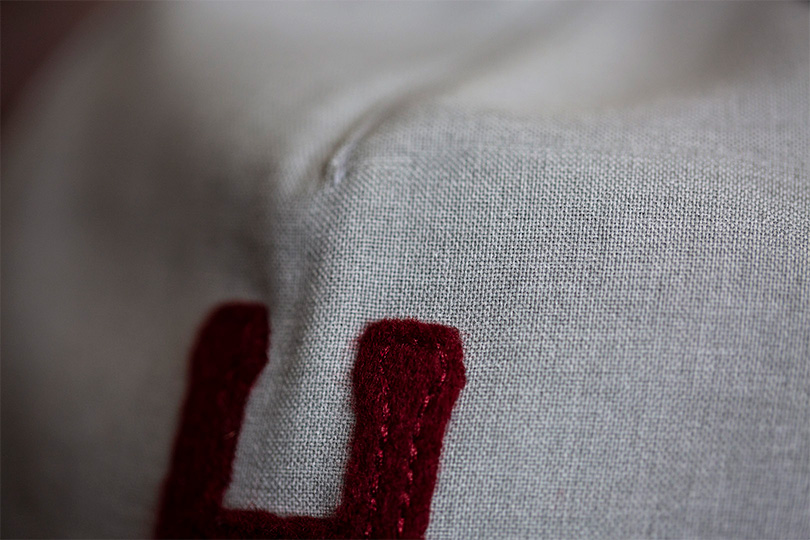
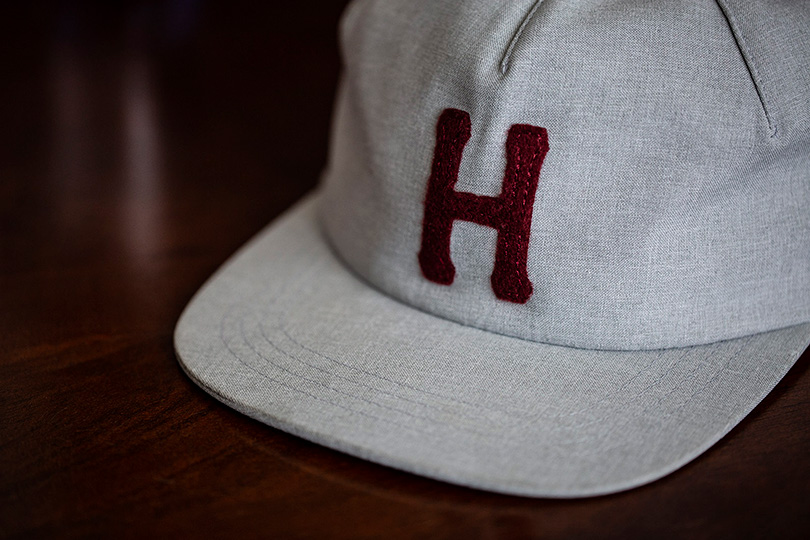
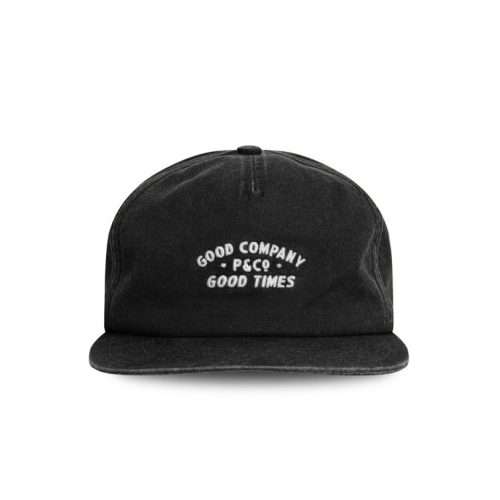
The 5-panel cap represents a triumph of geometric optimization for modern branding. Structurally, it is constructed using five distinct pieces of fabric: one large, uninterrupted front panel, two side panels, and two rear panels.

Structural Mechanics
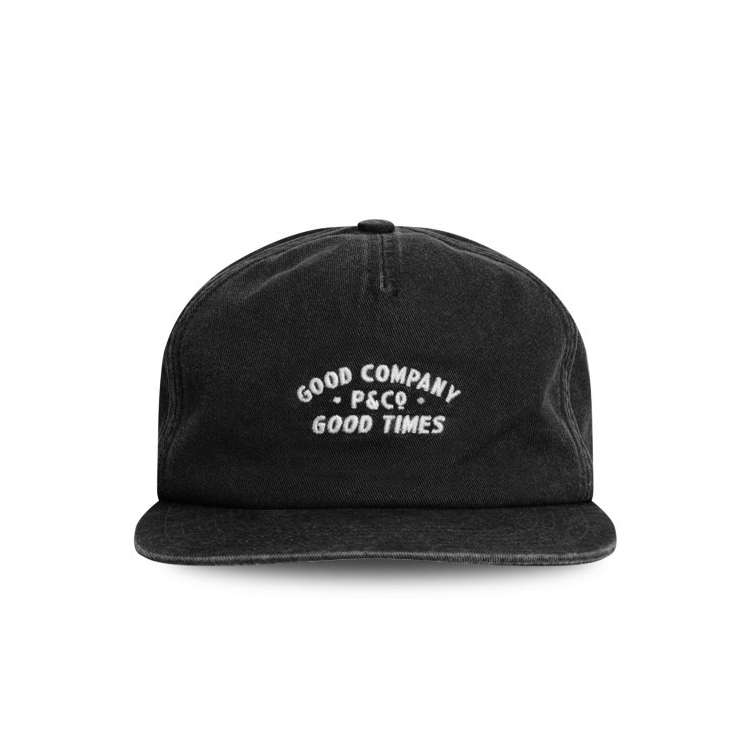
The defining engineering trait of the 5-panel is the elimination of the front center seam. By consolidating the front into a single, wide piece of fabric, the cap achieves a flatter, more squared-off aesthetic.
- Crown Profile: Typically engineered with a lower crown, meaning the fabric sits closer to the wearer’s head. This results in a shallower, more modern fit.
- Rigidity: 5-panel caps are most frequently designed to be unstructured. They lack rigid internal backing, allowing the fabric (often cotton twill, nylon, or mesh) to drape naturally.
- Manufacturing Yield: Because the front panel is a single flat surface, the automation of flat-bed printing or patch application yields a significantly lower defect rate. The absence of a center ridge allows machinery to apply even, continuous pressure.
Originating as functional workwear for bike messengers and military personnel, the 5-panel’s lightweight and foldable nature eventually made it a staple in performance and skatewear.
6 Panel Cap Characteristics
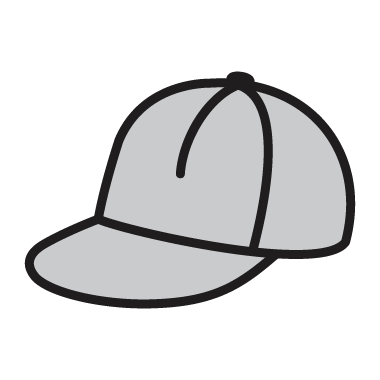
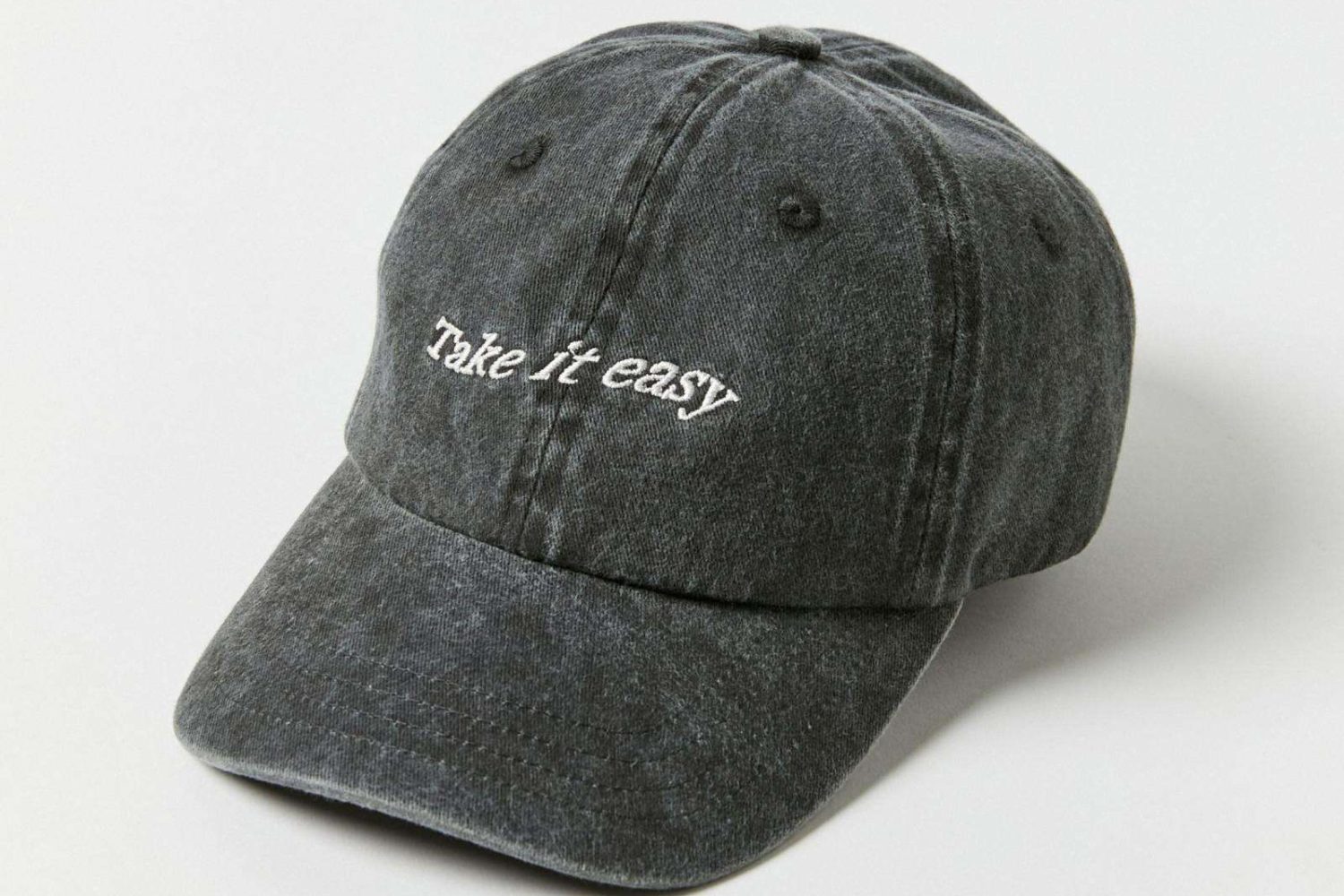
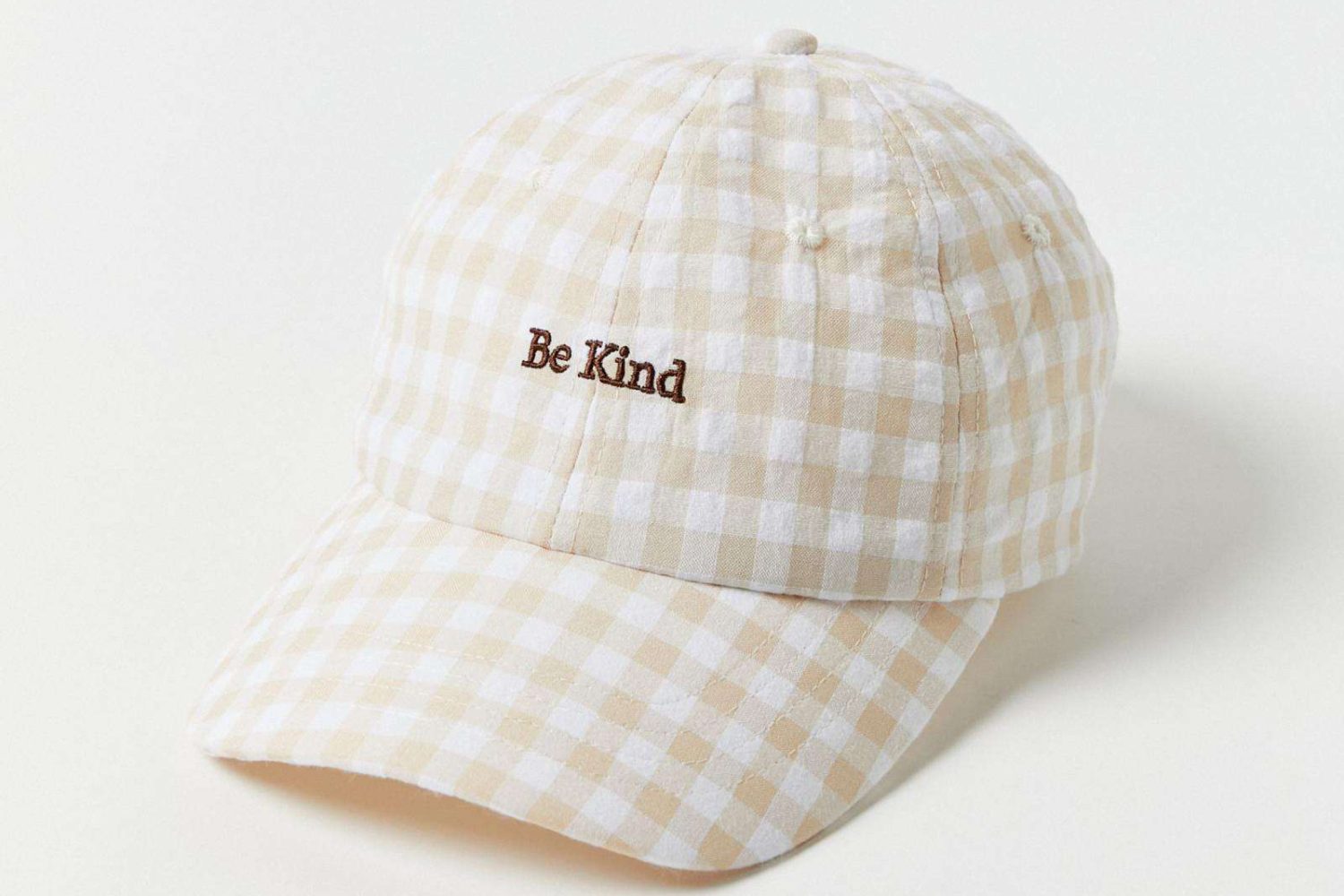
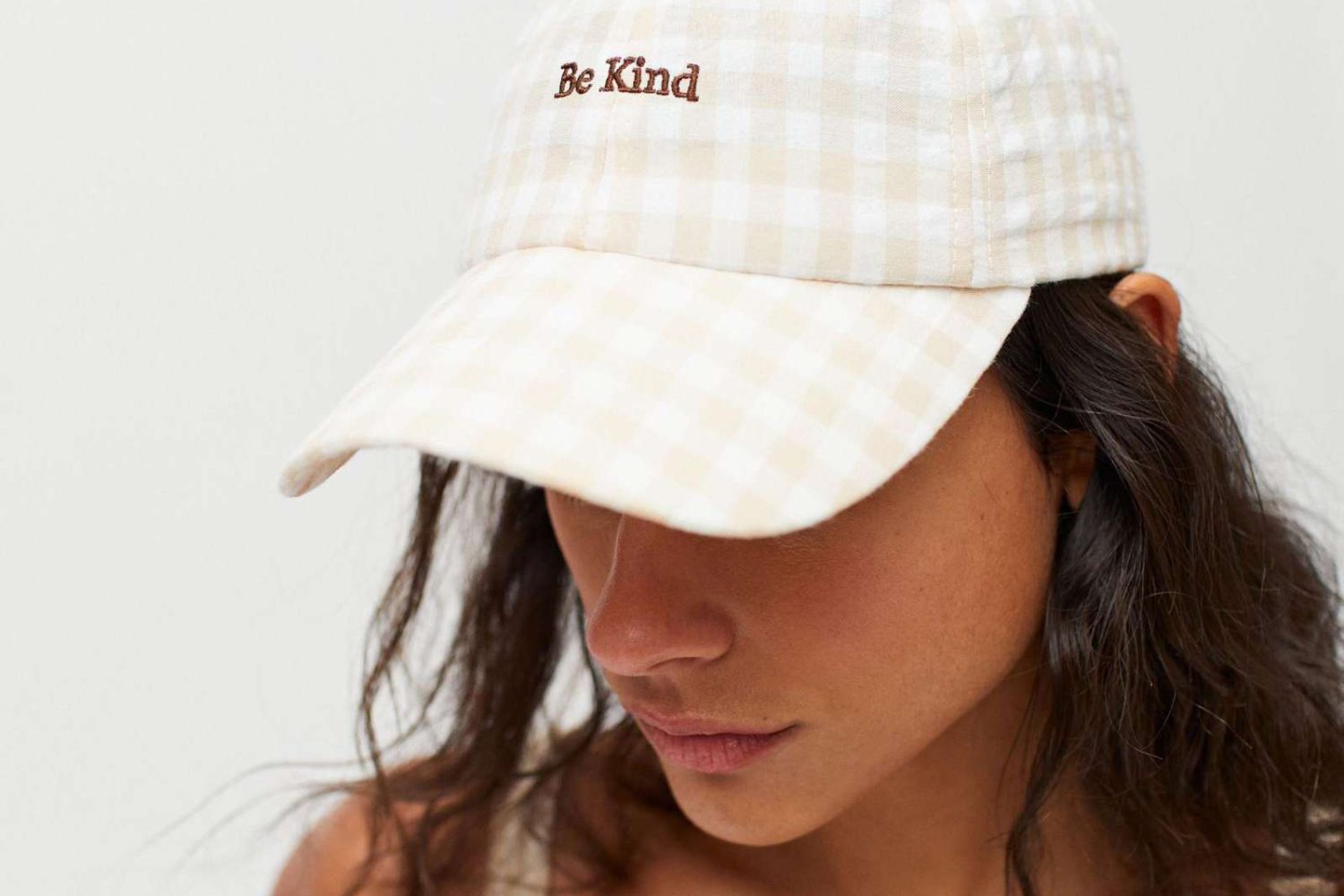
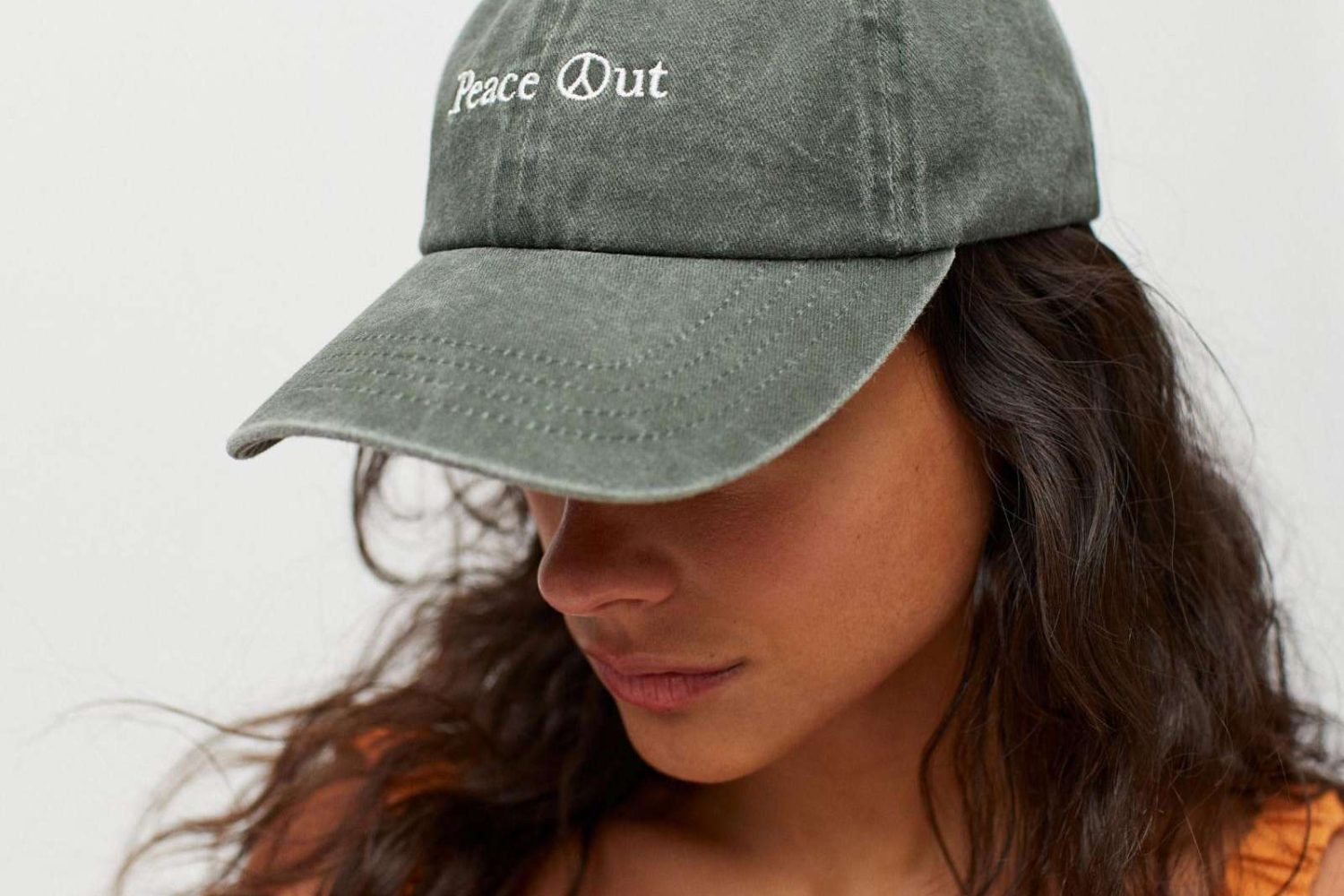
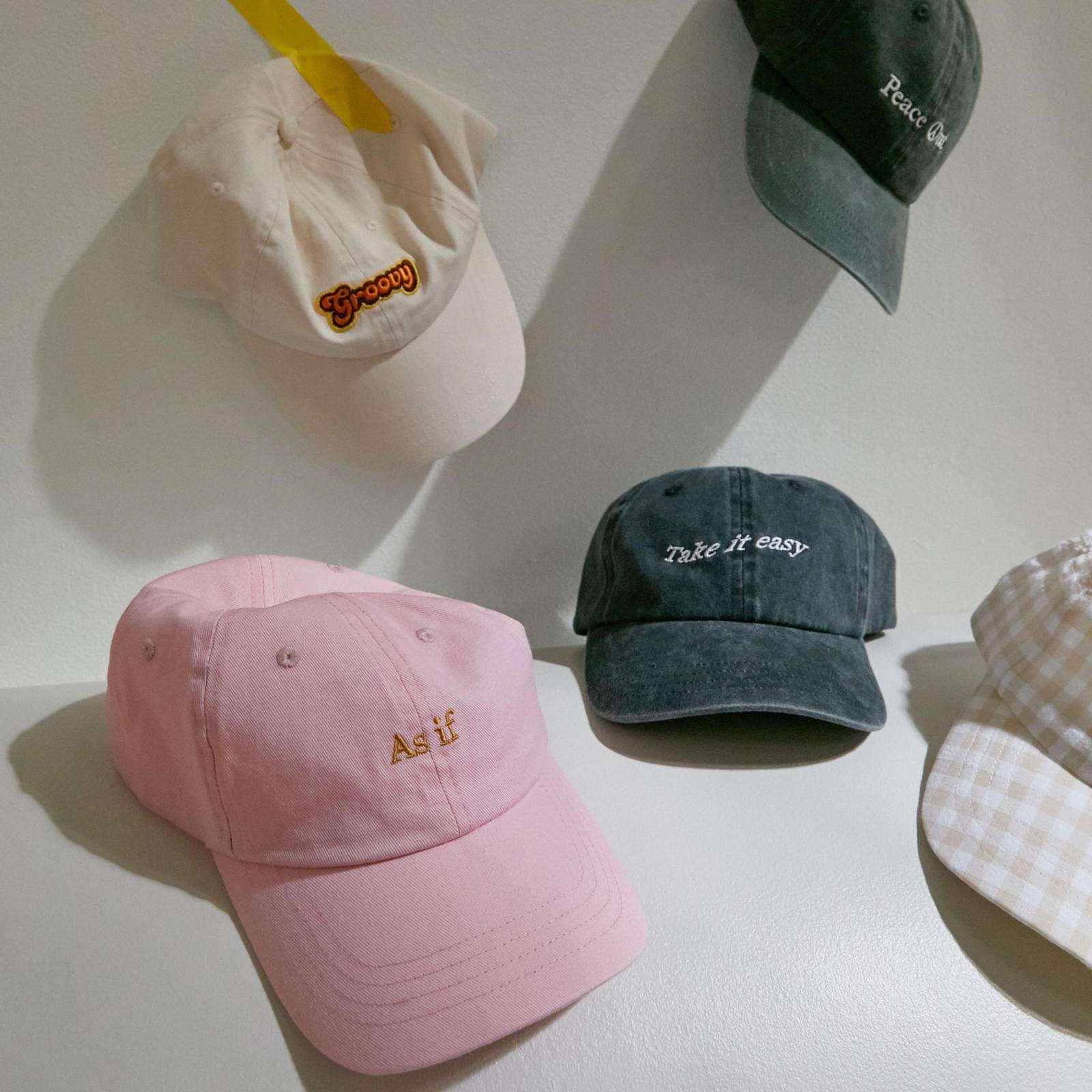
The 6-panel cap is the undisputed industry standard, rooted deeply in traditional athletic wear. Its construction relies on six triangular fabric panels that converge at the very top of the crown.
Structural Mechanics
The defining feature of the 6-panel is the vertical center seam that splits the front of the cap into two distinct halves. This seam creates a naturally rounded, dome-like silhouette that perfectly mimics the shape of the head.
- Crown Profile: The 6-panel architecture generally provides a higher, more pronounced crown compared to the 5-panel.
- Rigidity via Buckram: To maintain this elevated structure, 6-panel caps frequently utilize “buckram”. Buckram is a stiff, woven mesh insert fused to the inside of the front two panels. This internal scaffolding ensures the cap retains its shape even when not being worn.
- Tension and Stability: The convergence of six seams creates exceptional mechanical stability. This allows the hat to withstand high-impact movement without losing its form, making it the preferred choice for athletic and demanding environments.
While it offers superior structural integrity, the 6-panel’s center seam introduces a significant physical hurdle for designers, acting as a “speed bump” for decoration equipment.
Customization & Design
The true divergence between these two caps lies in their compatibility with commercial decoration techniques. As a designer, your artwork file must be optimized specifically for the physical topography of the hat you choose.
The 5-Panel Advantage: The Seamless Canvas
The 5-panel hat is a designer’s dream for complex, flat graphics. The seamless front panel acts as an uninterrupted canvas, making it highly compatible with a wider array of technologies.
- Direct-to-Film (DTF) & Screen Printing: DTF transfers and traditional screen printing require a flat, smooth surface to ensure proper ink adhesion and curing. The 5-panel’s flat front allows heat presses to distribute temperature and pressure evenly, preventing the peeling or lifting that occurs when trying to press over a seam.
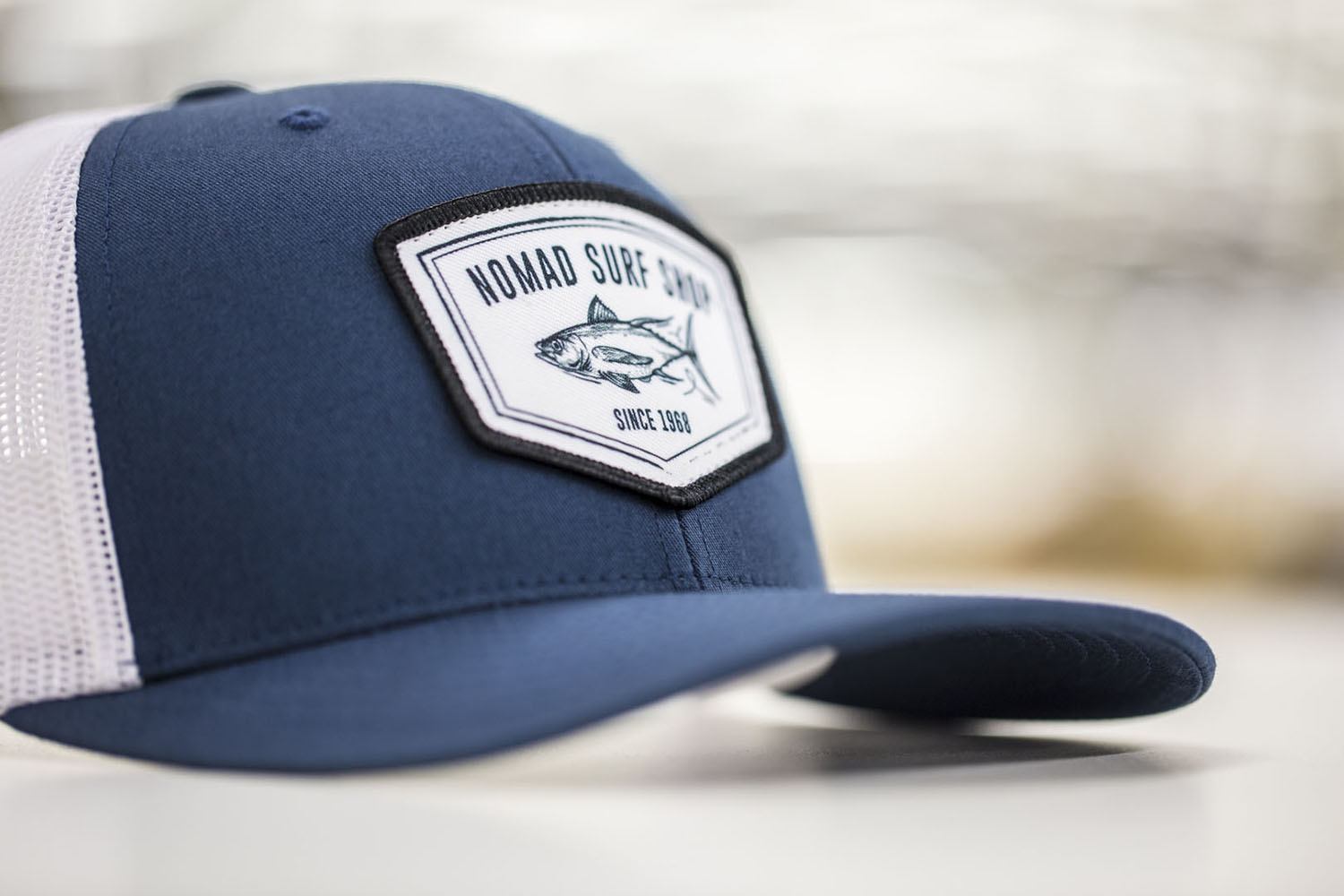
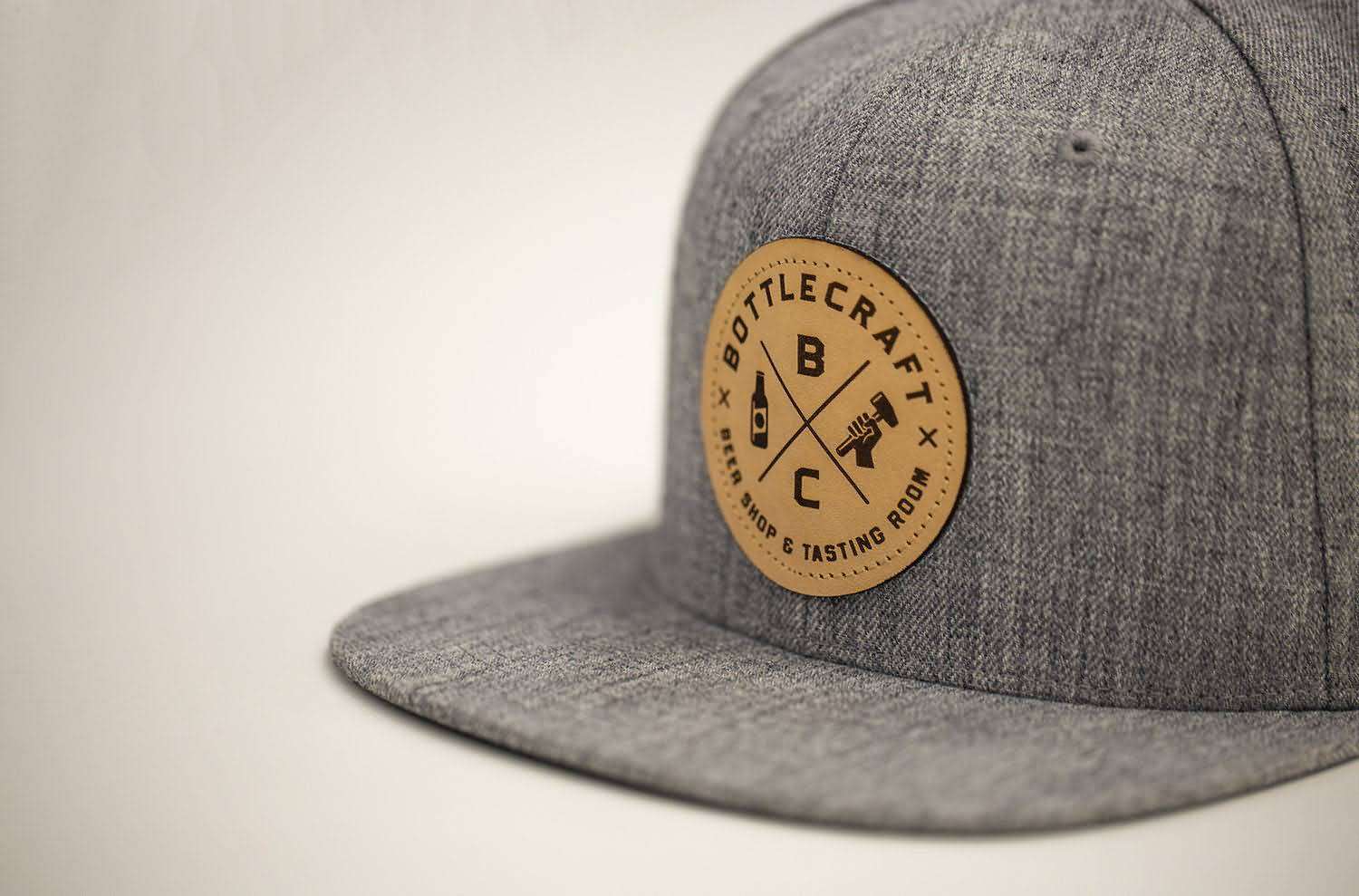
- High-Detail Patches: Large woven, PVC, or leather patches sit perfectly flush against the 5-panel’s front.
- Embroidery Ease: Without a thick center seam to battle, digitizing software does not need complex pull compensation adjustments in the center of the design, resulting in highly precise, symmetrical embroidery.
The 6-Panel Challenge: Navigating the Seam
Decorating a 6-panel cap requires advanced technical foresight. The center seam is rigid, thick, and unforgiving.
- Needle Deflection: When embroidering over the center seam of a structured 6-panel cap, the needle must punch through the outer fabric, the buckram backing, and the thick seam allowances. This extreme density frequently causes “needle deflection,” where the needle bends slightly, leading to skipped stitches, broken needles, and distorted logos. To mitigate this, digitizers must program a heavy underlay and utilize titanium needles.
- Registration Errors: If you attempt to print (via screen or DTF) directly over the 6-panel’s seam, the physical gap created by the ridge will cause ink to pool or split, resulting in cracked and illegible designs.
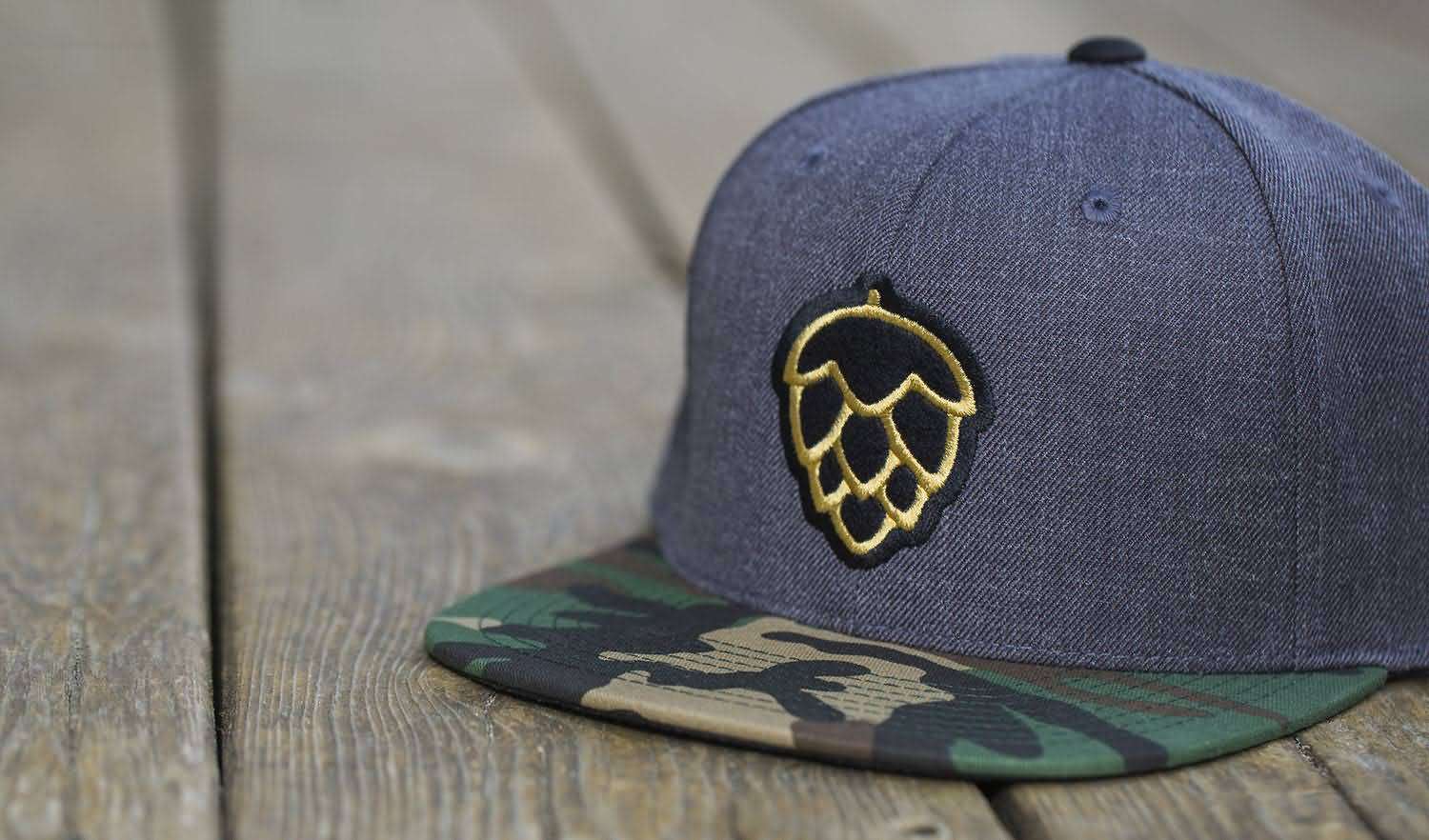
- Design Workarounds: For 6-panels, designers must either keep graphics small enough to fit on one side of the seam, use a split design, or rely strictly on heavy 3D puff embroidery that can successfully bridge the gap without looking warped.
Use Cases
Brand alignment is just as critical as structural integrity. The silhouette you choose instantly signals your brand’s demographic and cultural positioning.
When to deploy the 5-Panel:
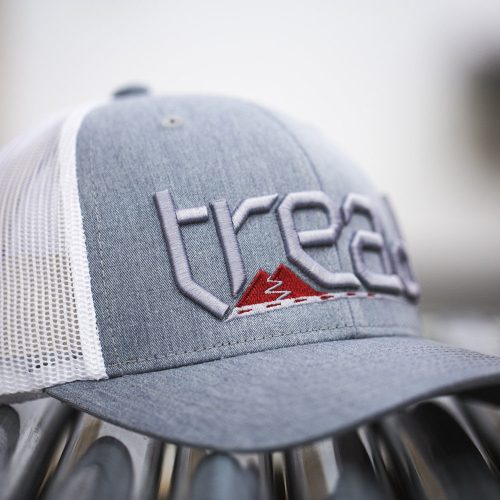
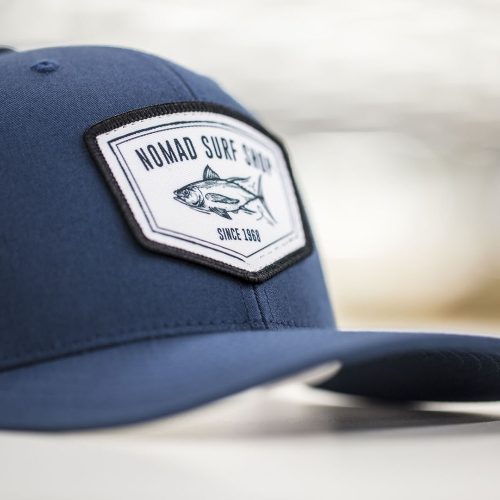
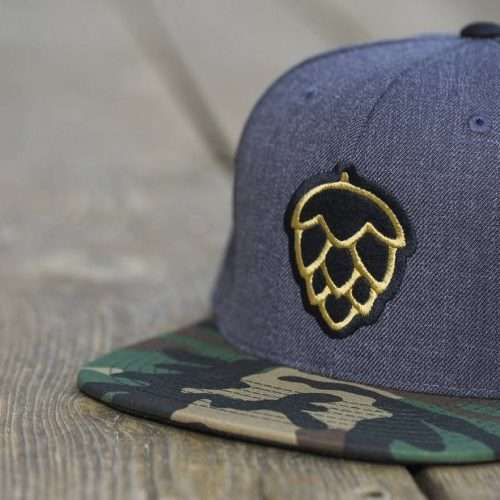
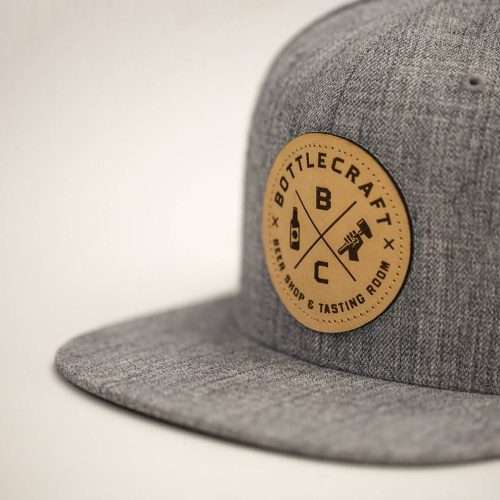
If your brand DNA is rooted in streetwear, skate culture, modern outdoor lifestyle, or contemporary art, the 5-panel is your ideal vehicle. Its modern, slightly boxy profile appeals to younger, fashion-forward demographics. Commercially, it is heavily favored by independent apparel brands, boutique breweries, and music festivals where large, vibrant graphic prints are the primary selling point.



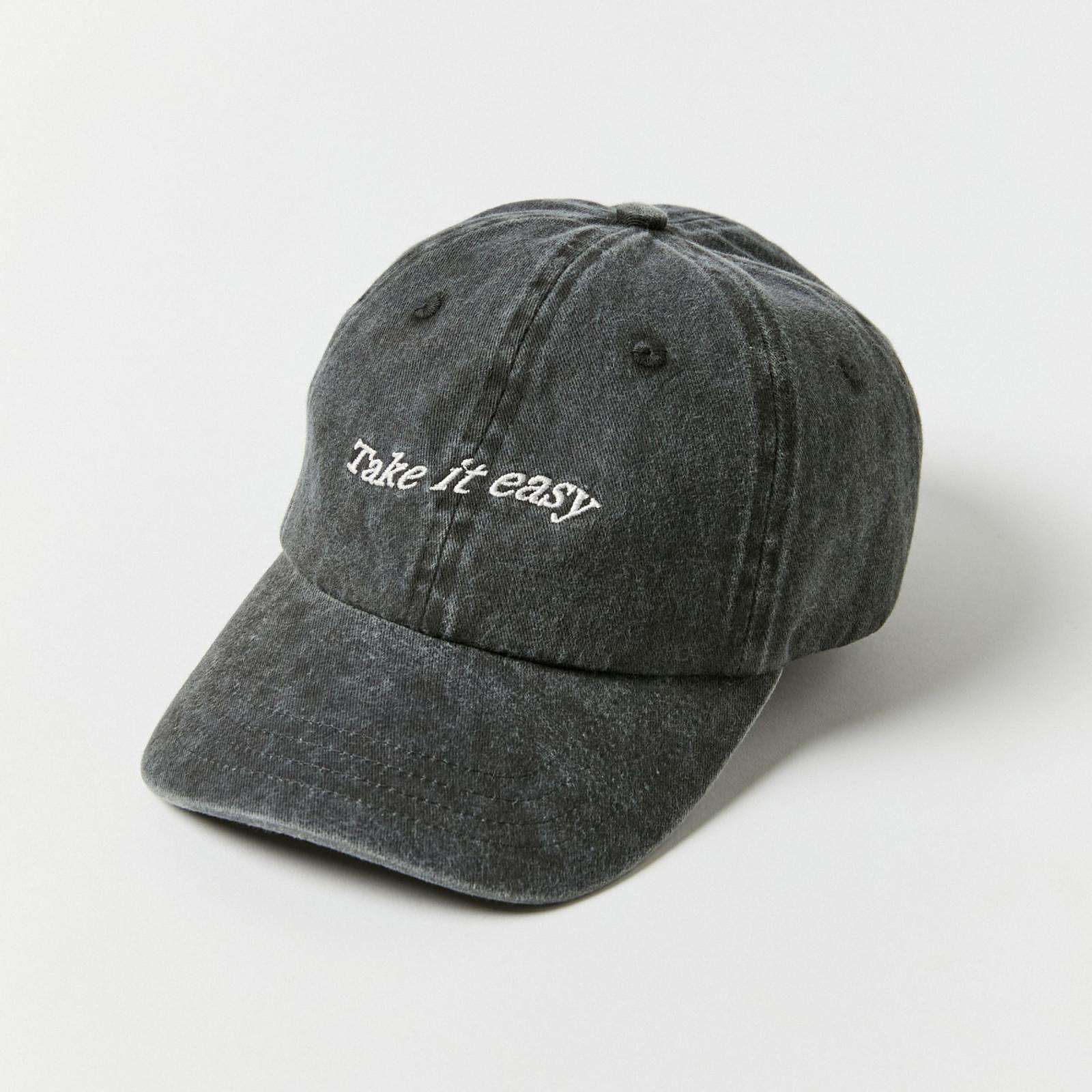
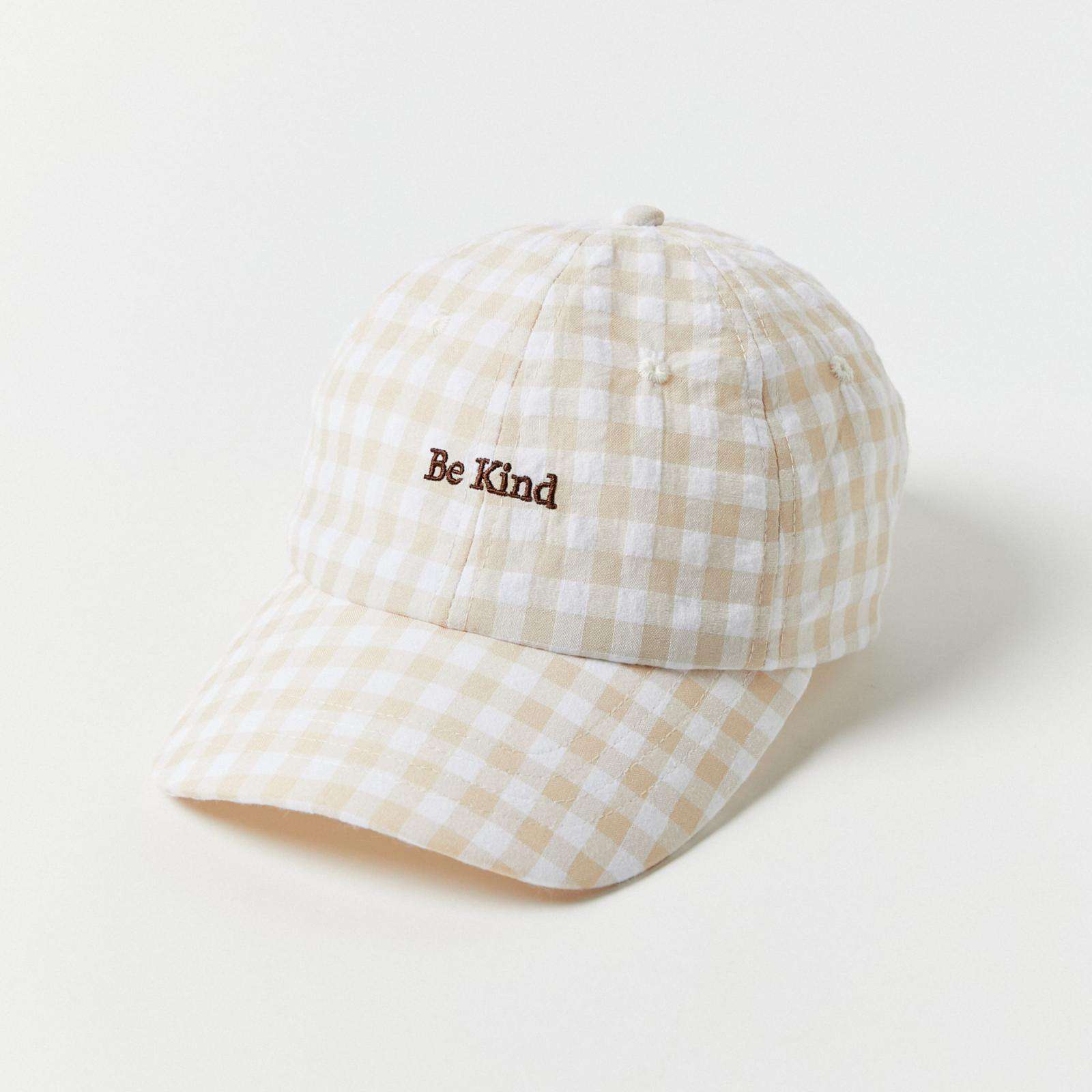
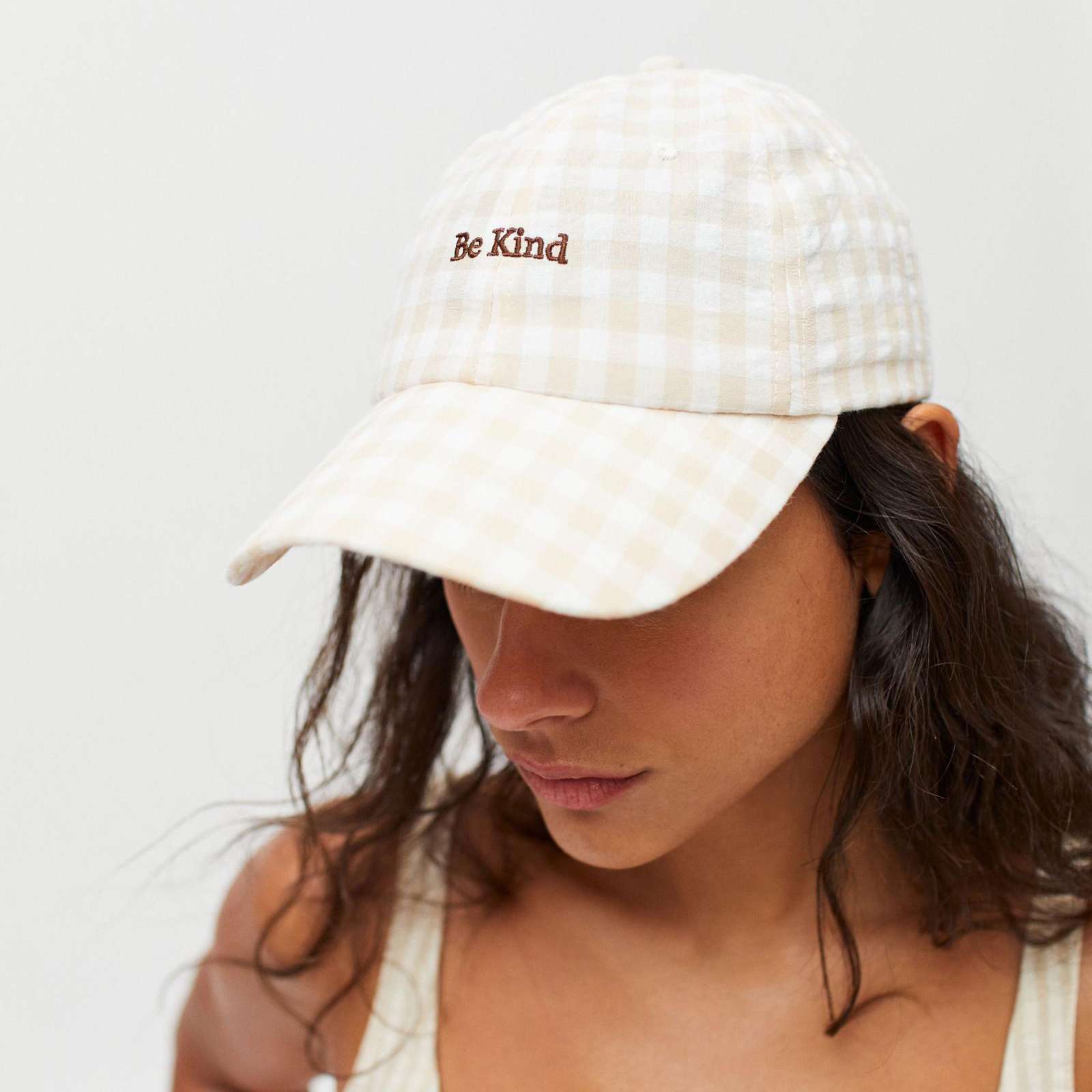
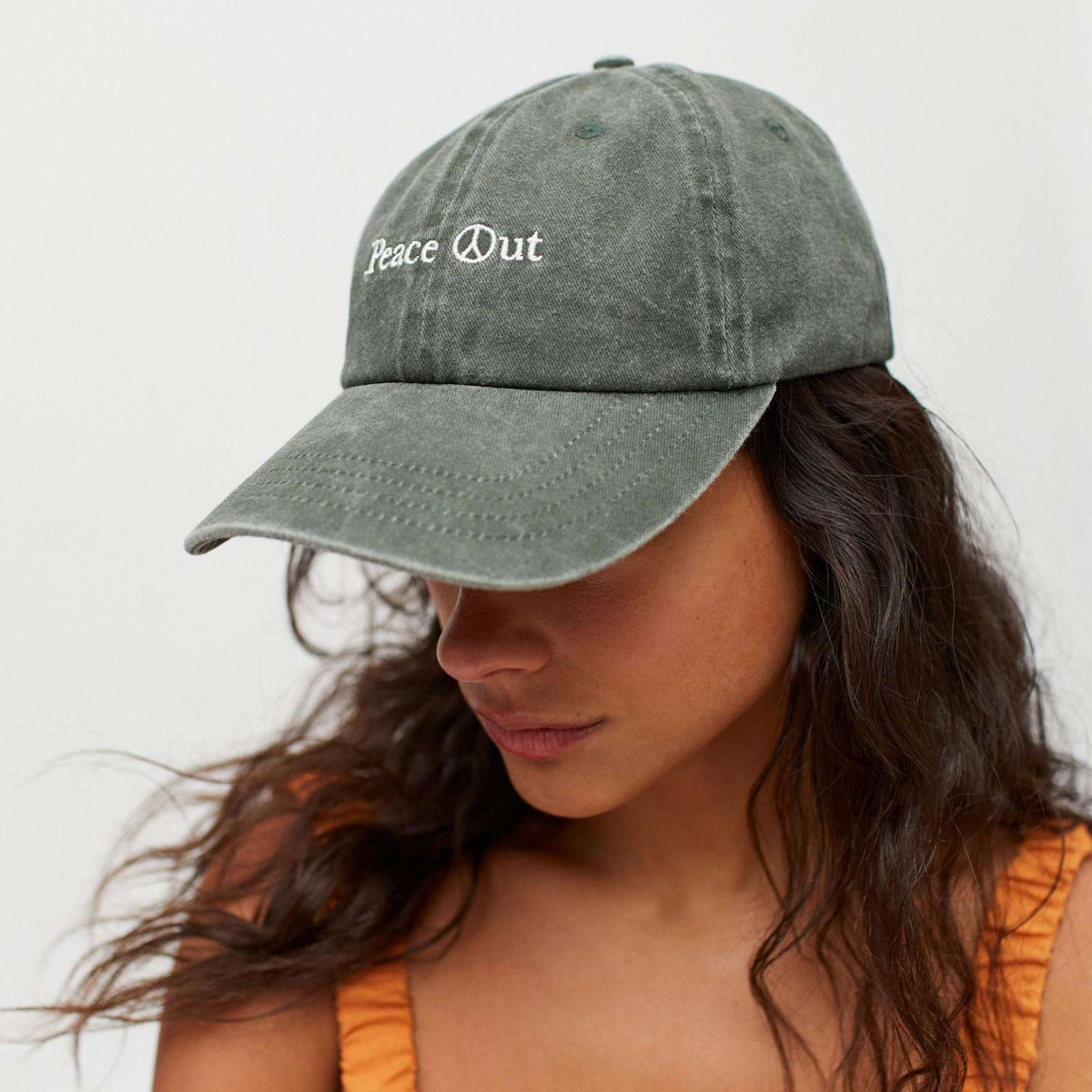



When to deploy the 6-Panel:
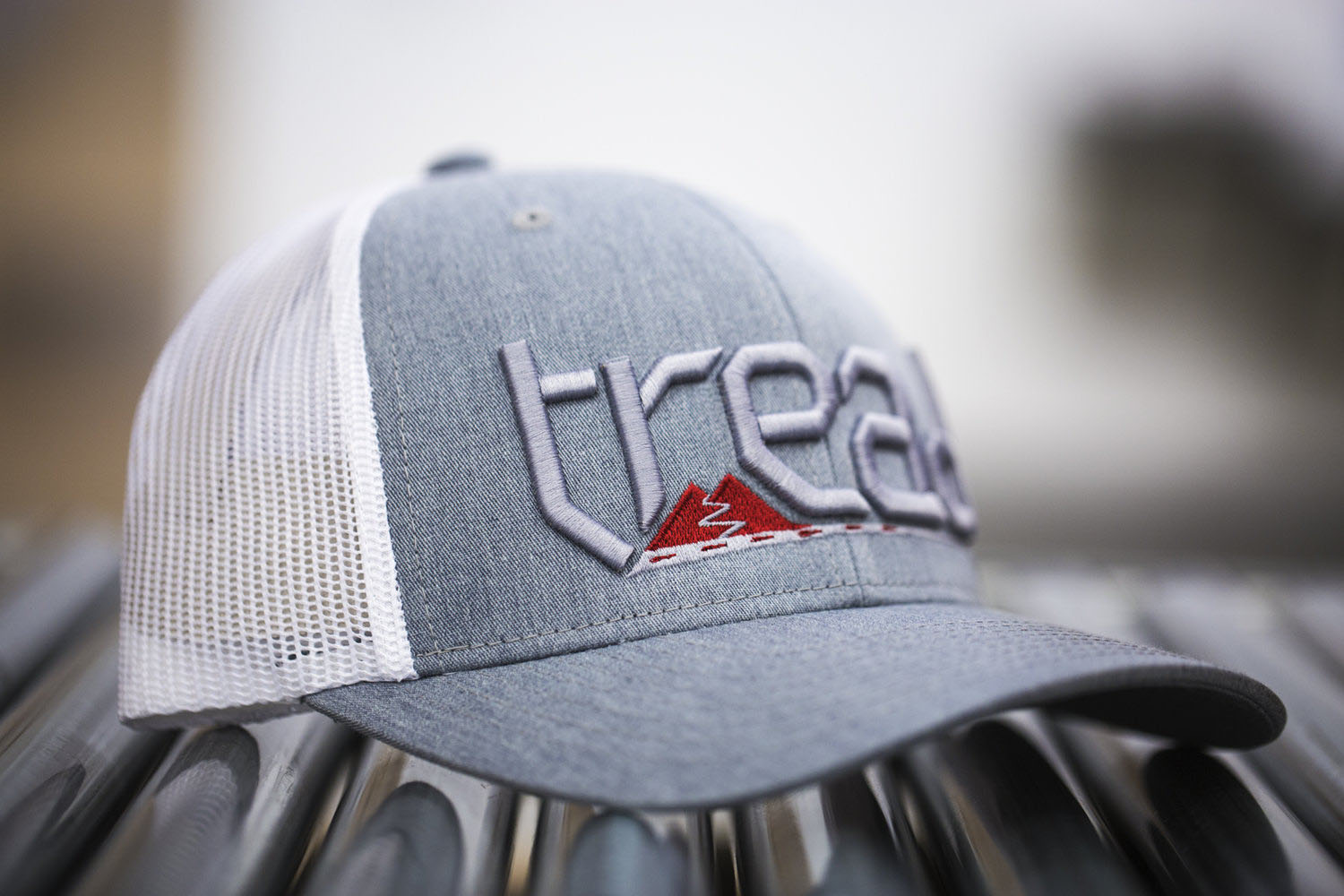
The 6-panel is the quintessential choice for heritage brands, corporate uniforms, professional sports teams, and traditional lifestyle companies. Its structured, classic aesthetic commands a sense of professionalism and athletic readiness. If your logo relies on classic, centered 3D embroidery—such as a sports team insignia or a corporate emblem—the 6-panel provides the necessary structural backing to hold the heavy thread weight without sagging.
Decision Criteria
To streamline your procurement and design process, use the following technical evaluation matrix to finalize your selection:
Evaluation Metric
5-Panel Hat
6-Panel Hat
Front Surface Topography
Flat , uninterrupted , seamless
Curved , interrupted by a vertical center seam
Primary Decoration Method
DTF , Screen Printing , Large Patches , Standard Embroidery
3D Puff Embroidery ,Small Centered Embroidery , Small Patches
Artwork Complexity
Supports highly detailed , multi-color , wide-format graphics
Best for bold , simple , compact logos. Intricate details get lost in the seam
Structural Integrity
Generally soft , pliable , and packable. Drapes to the head
Firm , maintains shape off the head due to buckram backing
Brand Perception
Modern , indie , streetwear , creative , laid-back
Classic , athletic , corporate , traditional , authoritative
Ultimately, successful headwear merchandising requires treating the cap as a precision-engineered substrate rather than an afterthought. By aligning your artwork’s physical requirements with the specific structural architecture of either the 5-panel or 6-panel cap, you minimize production failures, protect your profit margins, and deliver a retail-ready product that resonates deeply with your target consumer.
Ready to Engineer Your Brand’s Next Signature Piece?
Choosing the right structural foundation is only half the battle; executing the production with technical precision is where true merchandise success is forged. You’ve done the research to understand the mechanics behind the silhouette—now it’s time to bring your blueprint to the production line.
Stop leaving your profit margins to chance with misaligned prints, snapped threads, or warped front panels. Whether you are ready to push the boundaries of flat-format graphics on a 5-panel canvas or looking to command authority with the heavy 3D puff embroidery of a structured 6-panel, we are here to bridge the gap between your design vision and manufacturing reality.
Let’s build your next best-seller:
- Consult the Experts: Send us your tech packs or artwork files. We will run a complete compatibility diagnostic to ensure your design is optimized for the exact topography of your chosen cap.
- Request a Prototype: Don’t guess—test. Order a sample run to feel the fabric tension, check the crown depth, and verify your logo’s registration in the real world.
- Optimize for Scale: Ready for bulk? Let our digitizing and production specialists calibrate your artwork to ensure a zero-defect yield on the embroidery or heat-press machines.