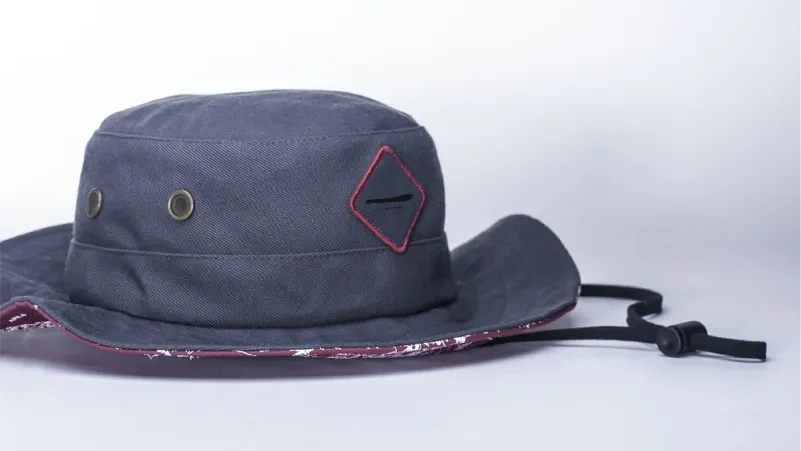
Generic headwear no longer cuts it in a saturated streetwear and fashion market. For independent designers and mid-to-high-end apparel brands, true differentiation lives in the tangible details: the exact weight of the fabric, the precision of the stitching pattern, and the subtle silhouette tweaks that define your brand’s signature fit.
Whether you are developing a technical corduroy line, troubleshooting alignment on printed headwear, or figuring out how to manufacture custom bucket hats that command retail positioning, this guide details our exact factory standards, capabilities, and technical recommendations.
7 Premium Fabric Specifications for Custom Bucket Hats
The textile choice dictates the drape, durability, and embroidery compatibility of the finished product. We test every fabric roll against strict shrinkage and colorfastness metrics before it enters the cutting room.

280-320gsm Heavyweight Cotton Twill
- Our Standards: Ring-spun combed cotton with a 21/2*10 yarn count. We pre-shrunk the fabric to ensure a restriction threshold of ≤3% horizontal and ≤2% vertical shrinkage. Colorfastness is maintained at ≥4 grades.
- What We Can Make: Garment-dyed, stone-washed, enzyme-washed, and sanded finishes.
- Our Recommendations: This is your versatile, year-round base material. We recommend it for structured silhouettes where you need clean, crisp embroidery lines with minimal fabric puckering.

10oz Raw & Washed Denim
- Our Standards: Ring-spun denim weave pre-shrunk to ≤3% shrinkage. Available in raw unwashed states or pre-stabilized washes.
- What We Can Make: Selvedge denim builds featuring a signature red-line brim trim, heavy localized distressing, whiskering, and targeted fading effects.
- Our Recommendations: Select raw denim for premium collections intended to develop a natural, individualized patina over time. Choose pre-washed options for predictable, ready-to-wear drops.

100% Linen & Linen Blends
- Our Standards: Sourced French flax linen, pre-shrunk to ≤4% variance and mechanical de-burred to remove harsh surface imperfections.
- What We Can Make: Enzyme-washed variants for enhanced drape and softness.
- Our Recommendations: Excellent for summer lookbooks. We advise keeping designs limited to screen printing or lightweight, low-density flat embroidery to prevent tearing or pulling the delicate linen weave.

Nylon Taslan & Ripstop
- Our Standards: 210D nylon taslan backed by a technical PU coating. It provides a 3000mm hydrostatic head water-resistance rating and UPF 50+ UV protection.
- What We Can Make: Matte, semi-gloss, and high-gloss technical finishes.
- Our Recommendations: Engineered for outdoor, festival, or functional gorpcore collections. This fabric pairs cleanly with heat transfers and technical screen prints.

Wool & Wool Blends
- Our Standards: Minimum 50% wool content melton composition, weighing in at 380-420gsm. The material is fully pre-shrunk and felted.
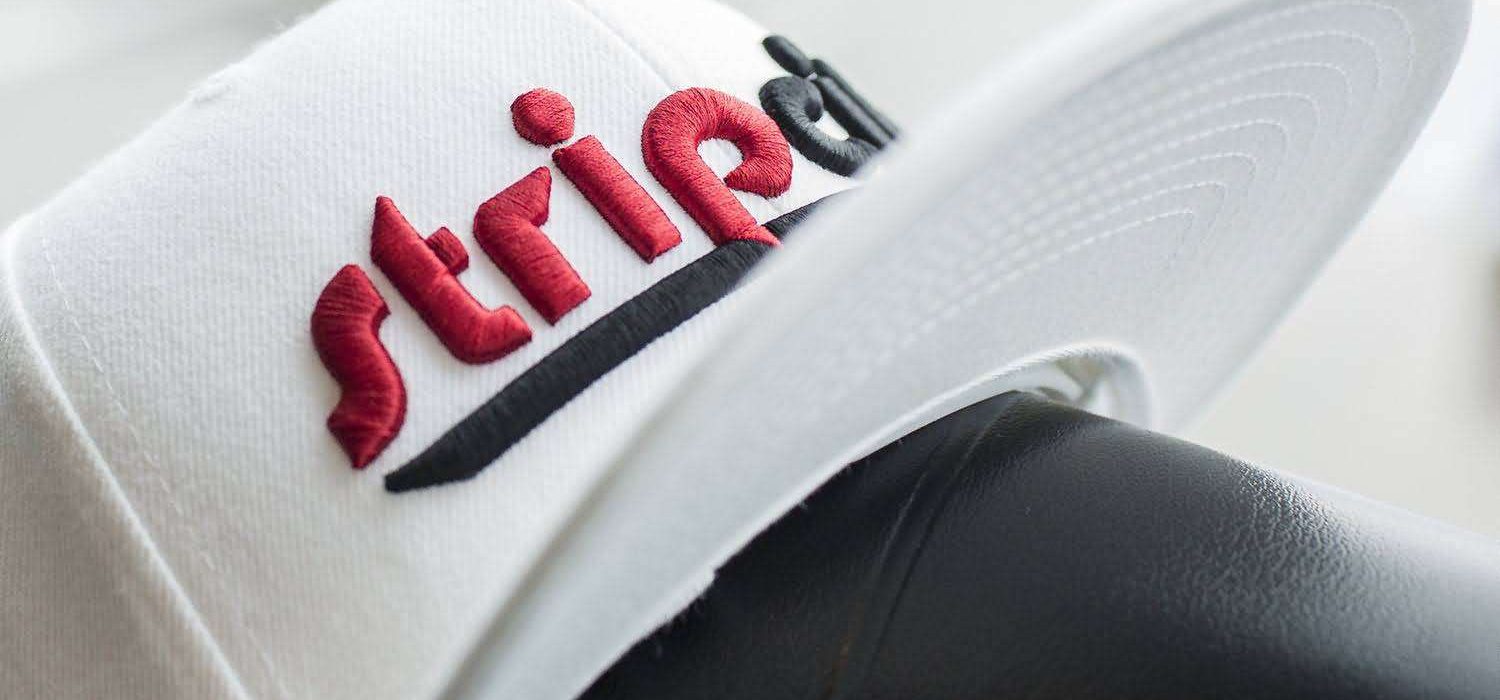
- What We Can Make: Heavy chenille, towel embroidery, and thick 3D puff embroidery applications.
- Our Recommendations: Designed for fall/winter rollouts. This fabric supports collegiate aesthetic choices and heavy, textured decoration methods.

Certified Sustainable Fabrics
- Our Standards: GOTS-certified organic cotton, GRS-certified recycled polyester, pure hemp, and Tencel blends. We provide complete transaction certificate documentation for your compliance files.
- What We Can Make: The exact same range of washes, dyes, and structural finishes available within our conventional material lines.
- Our Recommendations: If your brand prioritizes sustainability, we recommend featuring these verified certification symbols directly on your product pages to match consumer expectations.
Embroidery vs Screen Printing: A Technical Breakdown
Selecting the proper decoration style directly impacts the lifespan and production cost of your custom bucket hats. Below is our side-by-side technical comparison to help you make an objective choice for your bulk order.
Technical Specification
Embroidery Options
Screen Printing Options
Minimum Line Width
0.8mm
0.3mm
Minimum Text Height
3mm
1.5mm
Maximum Color Limit
15 Colors (Practical Setup)
Unlimited (Via Process Printing)
Wash Durability
≥50 Industrial Washes
≥30 Industrial Washes
Tactile Finish
Raised, Dimensional
Flat, Smooth to Hand
Optimal Fabric Grouping
Cotton, Denim, Corduroy, Wool
Nylon, Polyester, Smooth Cotton
Production MOQ
50 Units per Design
100 Units per Design
When Your Design Requires Embroidery
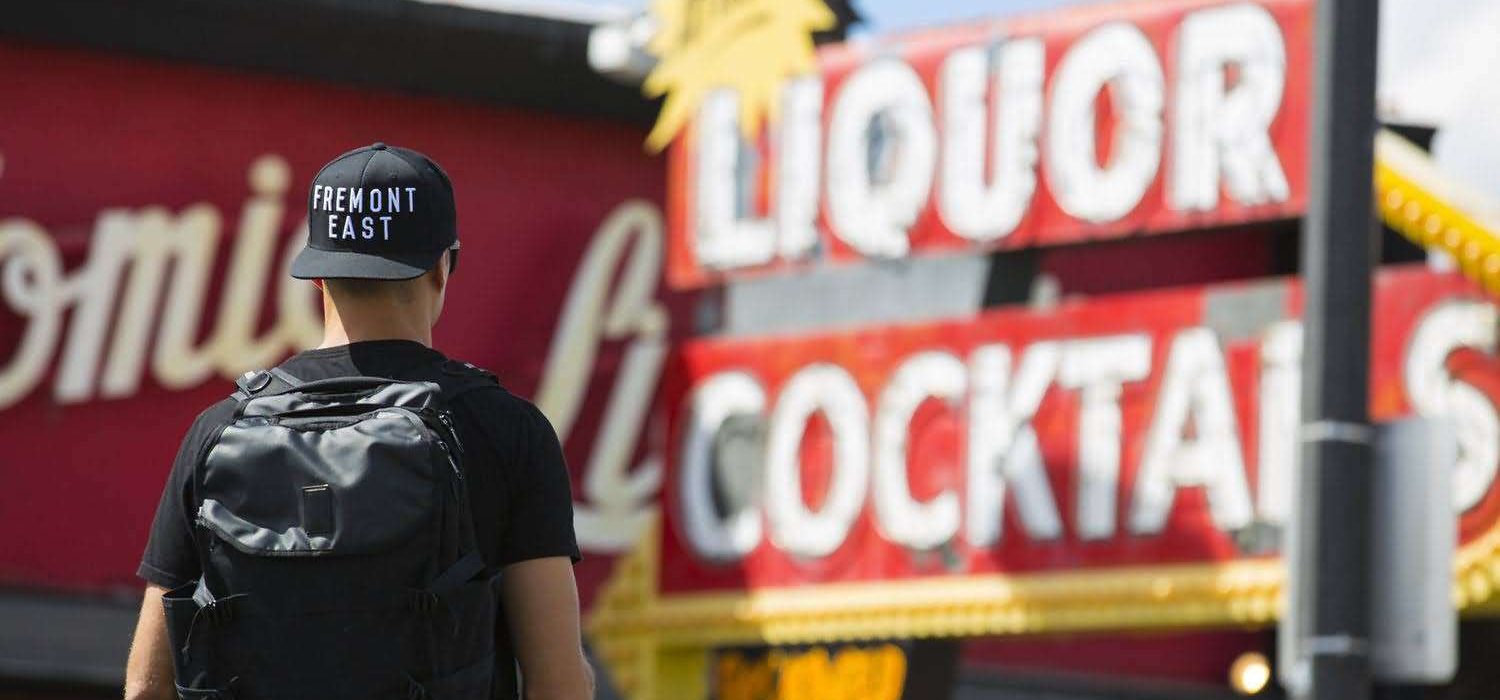
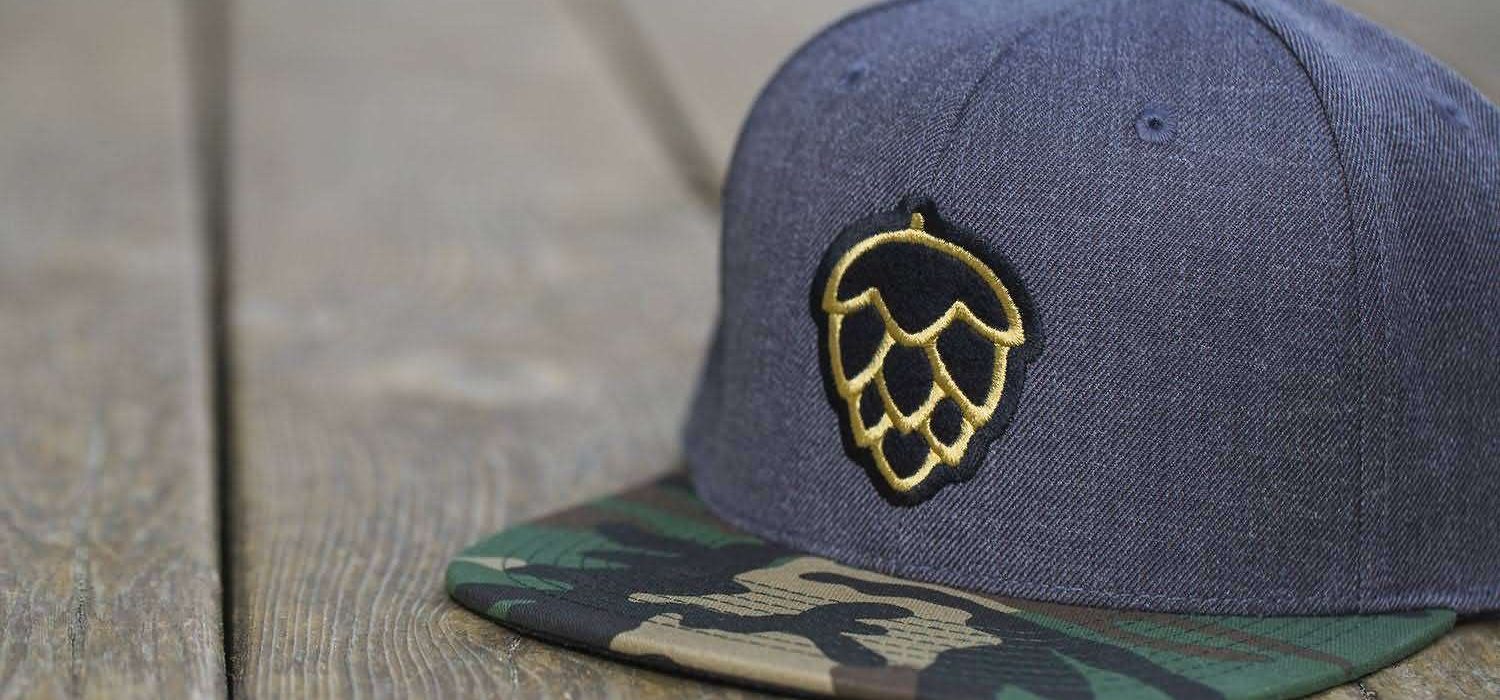
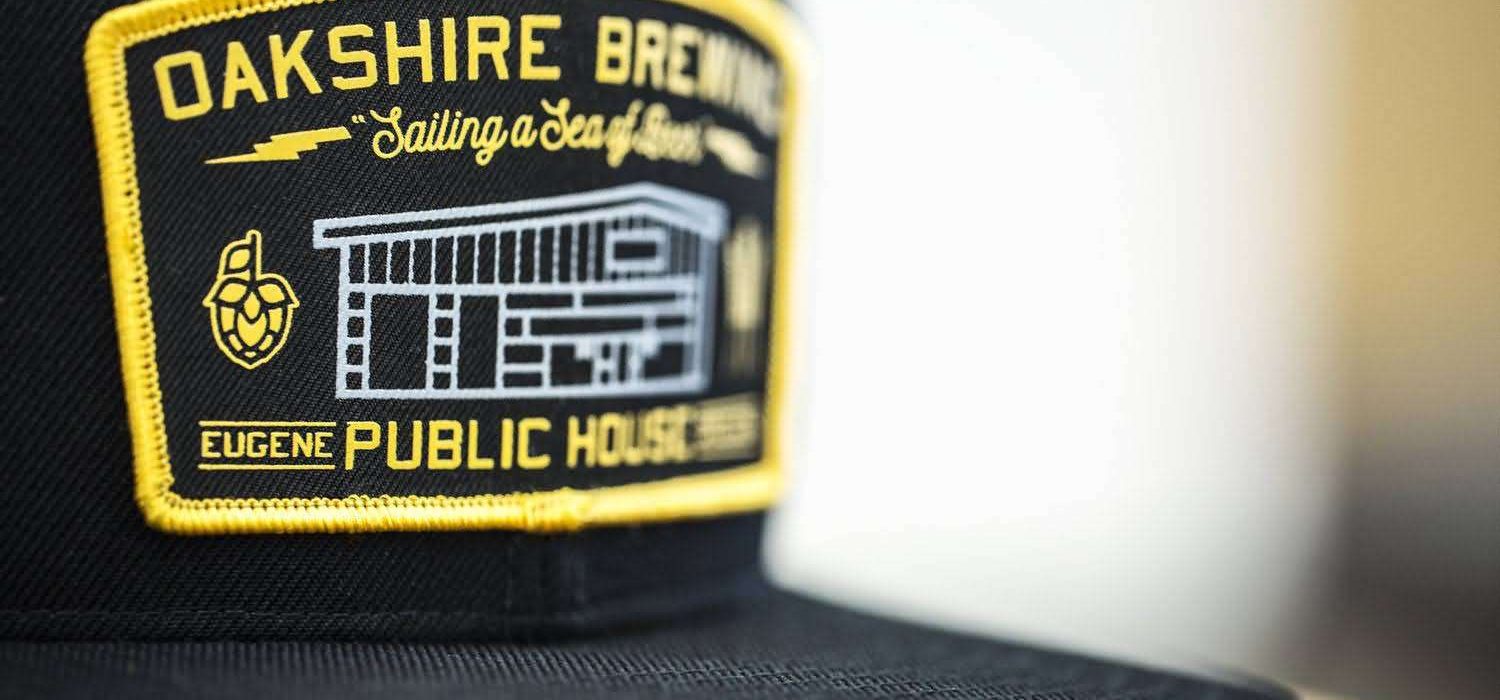
We recommend going with an embroidery setup if your artwork consists of clean typography or a standalone brand logo, if your fabric selection features heavy texture (like wool or corduroy), or if you require a classic, high-end retail finish that survives heavy washing cycles.
When Your Design Requires Screen Printing
We advise utilizing screen printing if your graphic contains complex gradients, photographic elements, or fine-line details. It is also the ideal route if you are doing full-coverage all-over prints on smooth synthetic bases like nylon taslan.
Mixed Media and Combination Techniques
To maximize visual depth without exceeding your budget, we can merge both processes. When manufacturing custom ink embroidered hats, we frequently execute a multi-color screen print across the side panels or underbrim, and then layer a sharp, high-density embroidered logo directly over the front crown.
Advanced Embroidery Capabilities and Tolerance Standards
3D Puff Embroidery
- Our Standards: We use 2-6mm eco-friendly EVA foam sheets. Our machines maintain a minimum stitch density of 40 stitches per square centimeter to ensure complete foam coverage with clean, shear-trimmed edges.
- What We Can Make: Single-layer and dual-layer dimensional foam stackups, along with multi-color 3D overlays.
- Our Recommendations: Best suited for block typography and thick geometric icons. Avoid artwork elements with line weights narrower than 2mm, as the needles cannot clear the foam safely.
Chenille Embroidery
- Our Standards: 12-ply premium chenille yarn configured to a uniform 1.5-2mm loop pile height. We inspect for zero skipped loops across production batches.
- What We Can Make: Single-tone and dual-tone chenille fills, often bordered by flat satin stitching for sharp contrast.
- Our Recommendations: Designed for oversized varsity lettering and simple, broad shapes. It adds a premium vintage sportswear feel to mid-weight cotton or wool blends.
Applique Embroidery
- Our Standards: High-precision laser-cut panel inserts sewn down with an edge stitch spacing tolerance of ≤1mm.
- What We Can Make: Genuine leather, synthetic suede, denim, corduroy, and felt fabric appliques.
- Our Recommendations: We suggest choosing applique for oversized graphics. It replaces solid thread weight, reduces crown stiffness, and adds clean material contrast.
Metallic & Specialty Thread
- Our Standards: We use imported Japanese metallic filaments engineered to handle high-speed tension adjustments without fraying or breaking mid-run.
- What We Can Make: True gold, silver, bronze, glow-in-the-dark, retro-reflective, and high-visibility neon threads.
- Our Recommendations: Best applied as small accents, border outlines, or limited-edition collection details rather than dense full-coverage graphics.
Towel / Loop Embroidery
- Our Standards: Managed loop heights fixed between 2-3mm, maintaining consistent loop tension to prevent snagging or pile shedding.
- What We Can Make: Monochromatic or multi-color towel thread fills.
- Our Recommendations: Highly recommended for casual streetwear, beach, or resort capsule lines.
Specialty Printing & Fabric Finishing Processes
When standard screen prints do not match your technical blueprint, we deploy several advanced alternative printing and garment finishing techniques:
- Direct-to-Garment (DTG): Utilizes premium water-based inks at a sharp 1200dpi output. Perfect for rendering full-color artwork or paintings on short-run cotton drops.
- Heat Transfer Vinyl (HTV): Available in completely matte, ultra-glossy, metallic chrome, holographic, and 3M reflective films with a certified durability threshold of ≥30 structural washes.
- Dye Sublimation: Delivers vibrant all-over patterns by infusing the ink directly into the textile fibers. This process completely eliminates surface cracking or peeling but requires a 100% polyester fabric base.
- Eco Water-Based Inks: All screen printing setups utilize organic, water-based ink bases that are 100% PVC and phthalate-free, fully complying with EU REACH protocols.
- Industrial Distressing & Aging: We handle stone washing, enzyme washing, surface sanding, manual edge fraying, and pigment spray fading to deliver a authentic, lived-in feel.
Silhouette Engineering: Adjusting Bucket Hat Parameters
The exact dimensions of your pattern define your brand’s unique look. We can adjust the core technical blueprint of your custom bucket hats to match your specific streetwear or functional design goals.
Modifiable Dimensions
- Brim Width: Our baseline options include 5cm (narrow/streetwear), 7cm (medium/classic), and 9cm (wide/utility). Pattern customizations are available down to ±1cm variances.
- Crown Depth: Our factory standard is 11cm. This can be shallow-patterned to 9cm for a modern skate aesthetic or dropped to 13cm for a deep, relaxed fit.
- Head Circumference: Standard adult models are graded to 57cm. We construct graded size breakdowns across Small (55cm), Medium (57cm), and Large (59cm), or we can integrate internal adjustable drawstrings.
- Brim Stiffness: Configurable via the internal interlining weight. Options range from Soft (natural, casual drape) and Medium (slight shape retention) to Hard (fully structured, horizontal technical brim).
Our Fit Sampling Process
We produce 1-2 unadorned blank fit samples for your custom hat design prior to finalizing artwork setup. This step enables your design and pattern teams to assess the hat’s silhouette, drape and fit via real-world wear tests, adjust tech pack measurements to accurately accommodate different head circumference sizing, and lock in the base profile before mass production commences.
- Our Recommendation: We strongly advise testing our fit samples across at least 3 to 4 individuals with varying head shapes. A properly proportioned fit directly leads to organic repeat wear and stronger brand loyalty.
Hardware, Trims, and Structural Component Standards
The difference between a standard promotional hat and a premium retail piece comes down to component quality. We use standardized components across all production tiers.
- Internal Sweatbands: Fitted with a 2cm organic cotton band as our standard baseline. Upgrade configurations include moisture-wicking bamboo charcoal knits or silk linings. We can execute subtle step-and-repeat screen prints across the sweatband surface.
- Branded Labels: We handle custom woven labels, HD printed tags, debossed leather patches, and riveted metal brand plates. These elements can straddle the rear seam, internal crown center, or outer brim edge.
- Utility Hardware: Standard configurations feature anti-rust copper eyelets. Upgrades include genuine leather chin straps, reflective utility cords, or branded toggle locks.
- Stitching Metrics: We use high-tensile 402 polyester threads locked at a strict density of 9 stitches per centimeter to guarantee seam integrity under tension.
- Interior Linings: Available in unlined variants, half-lined builds, or fully lined configurations. Full linings can be completely customized with your own silk-screened or sublimated repeat patterns.
Specialized Production: Corduroy and Sustainable Line Handling
Technical Management of Corduroy Construction
Corduroy presents specific challenges during production due to its raised pile. To protect your brand from common production flaws, we deploy strict pre-production protocols:
- Dual Pre-Shrinking: All corduroy yardage passes through a specialized steam pre-shrinking and stabilization process before cutting to eliminate post-wash shape distortion.
- Embroidery Density Calibration: Our digitizers manually modify needle penetration points for corduroy. We increase stitch density slightly to cleanly bridge the fabric wales without pulling the pile or causing puckering around the borders.
- Material Contrasts: We recommend pairing wide-wale corduroy with high-density threads or raw leather patches, while utilizing fine-wale options for delicate tonal concepts.
Sustainable Line Processing and Certifications
When you transition into our sustainable production program, we back your eco-friendly marketing claims with verified data and processes:
- Chain of Custody: Every order of organic or recycled material ships with full GOTS or GRS transaction certificates tracing the fiber origins directly to your brand.
- Resource Preservation: Our closed-loop dye facilities recycle ≥90% of fabric scrap volume and reduce fresh-water usage by up to 40% compared to traditional dyeing facilities.
- Conscious Packaging: We supply 100% recycled or industrially compostable shipping bags, entirely eliminating single-use polybags from your supply chain unless specifically requested.
Troubleshooting Production Flaws: Our Preventive Protocols
With years of headwear manufacturing data, we have mapped out and solved the most frequent production failure points through automated checkpoints:
Shrinkage and Misalignment Control
To prevent distortion after your items leave the store, every single fabric batch is run through our industrial pre-wash cycles. Furthermore, before full mass production begins, we run a physical sew-out sample of your artwork for sign-off. During production, digital sensors check alignment consistency every 50 units.
Color Matching and Material QC
We work exclusively with the Pantone Matching System (PMS) to maintain strict color continuity. Physical fabric swatches or lab dips are dispatched to your studio for approval before any bulk dye drums are filled. Additionally, our incoming quality control team inspects every textile roll on arrival; any lot displaying uneven yarn distribution or surface defects is flagged and rejected instantly.
How to Launch Your Production Run: Step-by-Step Blueprint
We have streamlined our intake workflow to make the process of learning how to customize hat tech packs simple and predictable for busy design teams.
- Submit Your Design: Provide your vector files (.AI, .EPS, .SVG) along with your specified Pantone color codes and an outline of your desired fabric type.
- Quote & Timeline: Our production managers will deliver a complete, itemized cost breakdown and manufacturing calendar within 3 business days.
- Fit Sampling: We generate a blank prototype of your pattern so you can evaluate the silhouette and adjust dimensions before we touch your artwork.
- Decoration Sampling: Once the fit sample is approved, we execute a complete pre-production sample showcasing your chosen embroidery, printing, and branding elements.
- Bulk Production: Upon receiving your physical sample sign-off, we initiate mass production. Our standard lead times range from 15 to 30 days depending on the size of your order.
- Delivery: We coordinate global sea or air freight transport, handle customs clearance tracking, and provide complete tracking links straight to your warehouse.
Creating exceptional custom bucket hats for fashion brands is all about mastering the details… If you have an upcoming concept ready for manufacturing analysis, provide your design specifications. We will supply a thorough feasibility analysis and initial production plan within 1 business day.
Frequently Asked Questions About Custom Bucket Hat Manufacturing
What is the minimum order quantity (MOQ) for custom bucket hats?
We focus on scaling mid-to-high-end brands with an accessible minimum order quantity of 100 units per design. This ensures premium factory-level consistency while allowing you to test new capsule collections without massive overhead.
Can I mix sizes within my 100-unit bulk order?
Yes. We understand that headwear is not one-size-fits-all. Within your 100-unit production run, you can break down the sizing across standard Adult Small (55cm), Medium (57cm), and Large (59cm) distributions to suit your customer demographic.
How long does it take to manufacture a batch of custom bucket hats?
Once you approve the physical pre-production sample, standard bulk production takes 15 to 30 days, depending on the complexity of your custom embroidery or fabric washing treatments. We will provide a precise timeline along with your initial quote.
Can you provide certified sustainable fabrics for my hat designs?
Absolutely. We maintain a robust supply chain for GOTS-certified organic cotton and GRS-certified recycled materials. We can provide full transaction certificates so your brand can market your eco-friendly hats with complete confidence and transparency.