








Let’s keep it real: If you’re a streetwear brand, event team, startup merch crew, or boutique label, custom hat disasters feel personal. You lock in a drop date, hype your followers, order 300–500 custom caps… and they arrive lopsided, with blurry embroidery, crooked tags, scratchy fabrics, or seams that unravel after one wear. We’ve seen brands miss launch windows, lose restock sales, and even damage their reputation over bad hat production.
The good news? Almost every fail is avoidable. It’s not about luck—it’s about controlling every step from design to delivery. Today we’re sharing our full, no-fluff system to get consistent, high-quality custom hats that match your vision, hold up in real life, and make your brand look professional.
Start with Style: Don’t Just Pick “Cap” – Lock in the Details
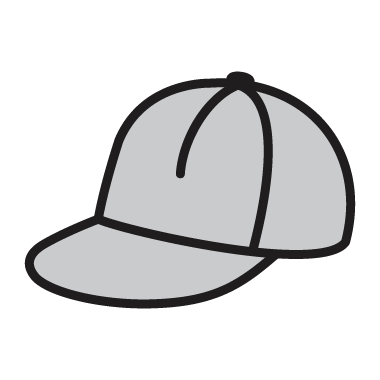
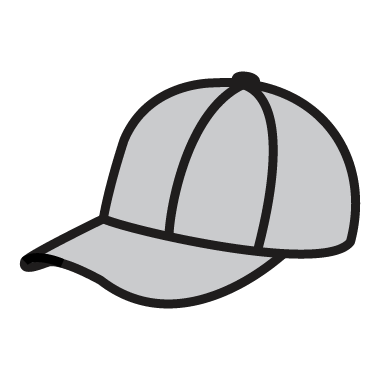
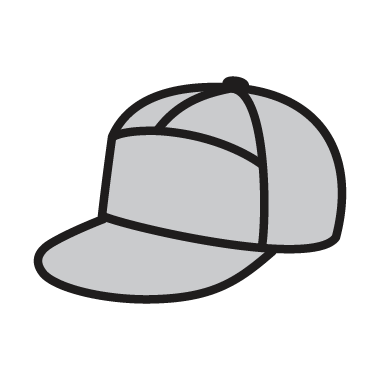
Most hat messes start here: buyers pick “5-panel” or “bucket hat” without nailing the small details that make or break the fit and finish. A 5-panel cap uses a single front panel, perfect for bold, uninterrupted 3D logos. A 6-panel offers more structure, great for classic, stadium-style fits.
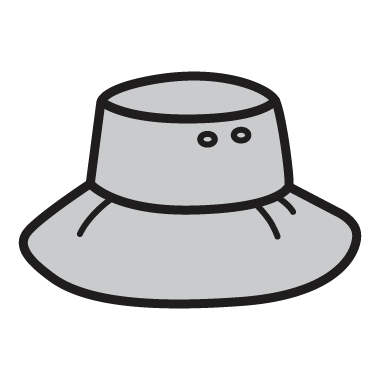
For bucket hats, precision 0.8mm vent holes keep them wearable in summer; off-center or sloppy holes kill comfort fast. Camp hats rely on a 30° brim angle for that relaxed streetwear slouch—any higher or lower and the vibe is off.
Your manufacturer should walk you through these specs, not just send a catalog. If they treat “style” as a generic option instead of a detailed plan, you’re already at risk. For example, check out our custom hat guide to see how every style should be specified and prototyped in advance.
Nail Design for Production (Not Just Screens)
A logo that looks crisp on your phone can turn into a blurry blob in real life. Thin lines under 0.3mm often merge in embroidery. Overly dense stitching puckers lightweight fabrics. Designs placed near curves or seams can shift visually after sewing.
Fix this with production-ready design rules:
(for example, see our embroidery design guide)
- Set a minimum line thickness for embroidery
- Match stitch density to your fabric’s weight
- Test placement on actual panel shapes
- Avoid tiny details that won’t translate to thread
At the end of the day, approved artwork must work for bulk production—not just look good on a sample.
Choose Materials That Perform, Not Just Look Good
Fabric choice impacts shape, durability, washability, and color consistency. Thin, low-density cotton loses structure after washing. Synthetic blends may not hold embroidery securely. Dark fabrics from different dye lots can show obvious color shifts in the same order.
For best results:
- Structured caps → medium-heavy cotton twill
- Outdoor/lightweight styles → polyester or recycled PET (RPET)
- Premium elevated looks → Tencel or performance blends
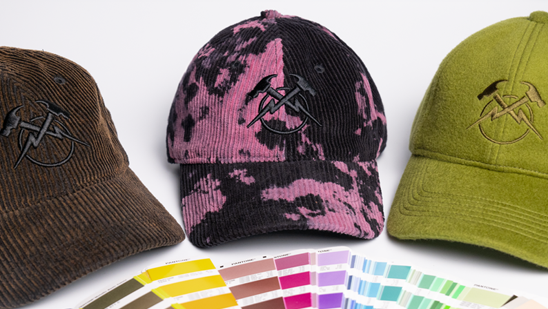
Always lock in Pantone colors and batch tracking. Sustainability matters too. Real eco-gear uses GOTS-certified organic cotton and water-based inks—no greenwashing, no hidden plastic blends. If your factory can’t name its eco-suppliers or waste-reduction plan, keep looking. (For help with materials, see our fabric selection guide.)
Production & QC: Consistency Beats Perfection
Even great design and materials fail with messy production. Logo positions shift, stitching tension varies, panels sit unevenly, and tags get sewn over vents. These small flaws add up to a cheap, unprofessional finish.
Protect your order with strict standards:
- Fixed templates for logo placement
- Calibrated embroidery machines with consistent settings
- Panel alignment checks during sewing
- Controlled stitch density within a tight range
Quality control can’t be an afterthought. Real manufacturers inspect incoming materials, check work in progress, and do a full 100% inspection before shipping—plus needle detection to eliminate safety risks. A great sample means nothing if bulk production is inconsistent.
Plan Timing & Delivery to Hit Your Launch Date
Delays kill launches. Sampling revisions, material holdups, complex embroidery, and bad shipping choices can push your date back by weeks.
Stay on track with a realistic timeline:
- Sample rounds: 5–7 days each
- Built-in revision buffer: expect tweaks
- Shipping: match to your timeline (air for speed, sea for bulk savings)
Any factory promising 500 custom hats in 3 days is cutting corners—expect uneven stitching, misaligned logos, or rushed materials.
Wrap-Up: Great Hats Come From Great Processes
Custom hats are more than merch—they’re walking billboards for your brand. One bad batch can turn excitement into disappointment. A great batch builds loyalty, social content, and repeat buyers.
The secret isn’t magic: it’s clear specs, production-ready design, quality materials, strict QC, and realistic timing. When every step works together, you get hats that fit your vibe, hold their shape, and make your brand proud.
If you’re ready to skip the stress and get custom hats done right the first time, we’re here to help with transparent processes, clear communication, and quality you can see and feel.
Ready to Make Perfect Custom Hats?
Skip disasters. Work with a real streetwear hat manufacturer that cares about quality.